

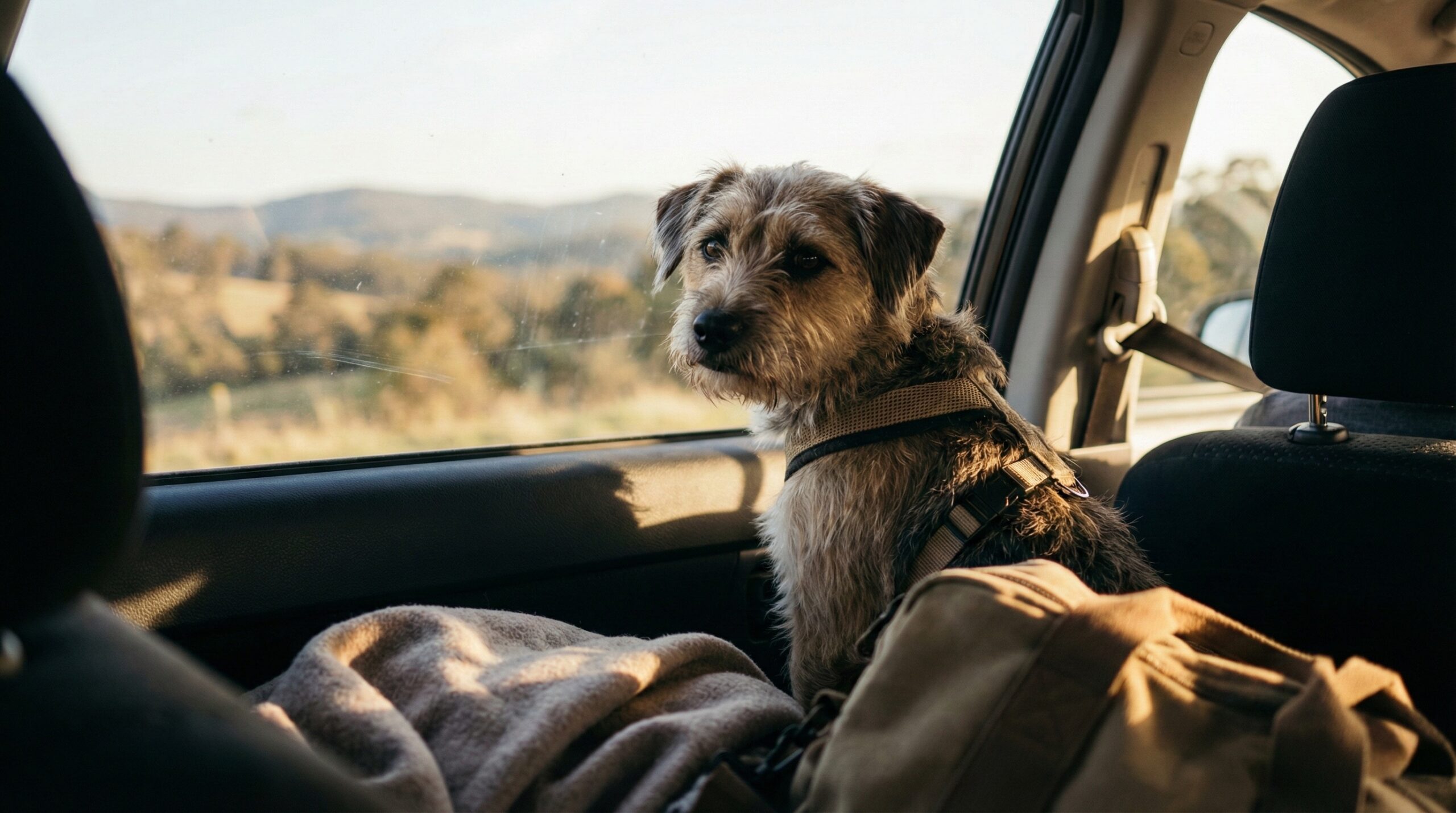
TL;DR
The best dog carrier for travel depends on how you’re traveling: for in-cabin flights, you generally want a soft-sided under-seat carrier with strong ventilation, a supportive base, and secure zippers; for road trips or cargo-style travel, structure and containment matter more than “squish.” Before you buy, measure your dog and confirm your specific airline and aircraft under-seat limits (they can vary a lot), then prioritize airflow, escape resistance, and an easy-to-clean pad setup.
Top Recommended Dog Carriers for Travel
| Product | Best For | Price | Pros/Cons | Visit |
|---|---|---|---|---|
| Sleepypod Air in-Cabin Pet Carrier, Glacier Silver | Frequent in-cabin flyers who want a premium build | $150 – $175 | Premium, sturdy feel; can be awkward to load without two hands | Visit Amazon |
| GAPZER Pet Carrier for Large Cats 20 lbs+ Soft Sided | Budget-friendly soft carrier for small dogs with extra weight | $30 – $40 | Sturdy for the price; some owners report zipper durability issues | Visit Amazon |
| Impact Dog Crates Airline Dog Crate | Large dogs or high-anxiety containment needs (non-in-cabin) | $970.00 – $1365.00 | Purpose-built airline travel crate option; expensive and bulkier than soft carriers | Visit Impact |
Top Pick: Best Overall Dog Carriers for Travel
Sleepypod Air in-Cabin Pet Carrier, Glacier Silver
Best for: Frequent flyers traveling in-cabin with a small dog who needs a stable, premium-feeling under-seat carrier for long travel days.
The Good
- Owners consistently describe it as premium and sturdy, which matters when you’re lifting, stowing, and pulling a carrier out from under a seat multiple times in one trip.
- Strong “travel-first” design intent — this is built specifically around the in-cabin use case rather than being a generic tote.
- Comfort-forward feel for the pet (owner feedback mentions it “feels comfortable”), which can help on longer itineraries where your dog has to settle for hours.
- Better structure than many floppy soft carriers, so it’s less likely to sag and press down on your dog when carried.
The Bad
- Loading can be awkward, especially with a wiggly or nervous dog — some owners say it takes two hands (or more) to manage smoothly.
- Like many under-seat carriers, the real-world “fit” can be airline- and aircraft-dependent, so you still need to verify under-seat dimensions before betting your trip on it.
4.5/5 across 968 Amazon reviews
“Much higher quality than ever expected. Very pleased with so much attention to detail. It is so well built and sturdy that it ends up slightly heavier than expected but not near enough to be a burden. Compact on the outside yet very comfortable for who’s inside. Very well ventilated and again, impressively strong and sturdy.I could not recommend this…” — Verified Amazon buyer (5 stars)
“Great carrier, but you need four hands. Two hands holding both sides up and two hands putting the cat into the carrier.No practical. The carrier is beautiful, study and safe in the car.” — Verified Amazon buyer (3 stars)
Typical price: $150 – $175
“Sleepy pods. Airline approved. Also they have the only highway approved in a 35 mile an hour crash test halter’s.” — r/Pomeranians discussion
“I just returned from a 17 hour airline adventure with my 5 month old kitten, and all I can say is this was so worth the price splurge!” — verified buyer, 5 stars
Our Take: If your main goal is a reliable, in-cabin-friendly carrier that feels built for the realities of airport and plane travel, this is the best-balanced pick in this group — just practice loading at home before you fly.
GAPZER Pet Carrier for Large Cats 20 lbs+ Soft Sided
Best for: Budget-minded travelers with a small dog (especially a heavier “small” dog) who want a straightforward soft carrier for errands, hotel check-ins, and occasional travel days.
The Good
- Solid value: owner feedback points to a sturdy build “for the price,” which is exactly what most budget carrier shoppers want.
- Simple to use day-to-day (handles the basics without a steep learning curve), helpful if you’re also using it for vet visits.
- Better weight-handling intent than many bargain carriers, making it a reasonable starting point for sturdier small-dog transport.
- Soft-sided format can be easier to maneuver through doors, elevators, and narrow hotel hallways than rigid crates.
The Bad
- Zipper durability is a recurring complaint in owner reports — and zippers are a high-stakes failure point in airports and parking lots.
- Sizing expectations can mismatch (some buyers feel it runs different than expected), so double-check exterior measurements and your dog’s length/height before committing.
4.5/5 across 1,945 Amazon reviews
“I own a 1.5 year old kitten who is longer then average and plump. I had to replace a plastic carrier with this one given how quickly how grew to a "plump 17 lbs". This carrier is roomy is functional, easily folds down for storage and is made of good quality material I would recommend this product to others I knew needing a pet carrier Lighter carrier then…” — Verified Amazon buyer (5 stars)
“This is definitely not for a large cat at all. The description is false. And the quality is terrible. The zipper already broke on the front of the carrier and I haven’t even used it! I don’t trusr putting my large cat in this. If you have a kitten or tiny chihuahua then it might be just okay. Buy something else of better quality.” — Verified Amazon buyer (1 stars)
Typical price: $30 – $40
“The zipper already broke on the front of the carrier and I haven’t even used it!” — verified buyer, 1 stars
Our Take: As a budget soft-sided carrier, it can make sense for lighter-duty travel — but if your dog paws at zippers or you’re planning frequent flights, consider spending more for stronger closure hardware.
Impact Dog Crates Airline Dog Crate
Best for: Large dogs or high-anxiety dogs who need a purpose-built airline-style travel crate for scenarios where a soft under-seat carrier simply isn’t an option (for example, cargo-style transport requirements or larger-body containment needs).
The Good
- Purpose-built product positioning for airline travel in a crate format, which is the right direction when your dog can’t travel in-cabin.
- Crate style is inherently more structured than soft bags, which can help prevent collapse and improve containment for stronger dogs.
- Better fit for larger dogs than any under-seat carrier — important if your dog needs room to stand, turn, and settle without being cramped.
- DTC specialist focus on containment can be appealing for “escape artist” dogs who overwhelm typical soft carriers.
The Bad
- Very expensive compared with soft carriers, and it’s a much bigger commitment if you only travel occasionally.
- Bulk and weight are likely tradeoffs versus soft-sided options, so it’s less convenient for day-to-day carry through terminals.
Our Take: If you’re shopping specifically for a higher-containment airline-style crate for a bigger or more determined dog, this is the clear “different category” option — but it’s overkill for typical in-cabin small-dog travel.
FAQ
What size dog carrier can I bring on a plane?
It depends on your airline and even the specific aircraft — under-seat space can vary by route and seat location. Your safest process is: (1) measure your dog’s length (nose to base of tail) and standing height, (2) check your airline’s current in-cabin pet carrier rules, (3) compare those limits to the carrier’s external dimensions, and (4) choose a flexible-sided carrier if your airline expects it to compress slightly under the seat. For broader trip-planning considerations (health paperwork, destination rules), start with USDA APHIS pet travel guidance.
Should I choose a soft-sided or hard-sided carrier for travel?
For most in-cabin flights, soft-sided carriers are typically easier to fit under the seat and more comfortable to carry through the airport. Hard-sided crates (or highly structured crates) are more relevant when your dog isn’t traveling in-cabin and structure/containment is the priority. For airline transport standards that often govern crate expectations in cargo contexts, see the IATA Live Animals Regulations overview (note: airlines apply these in different ways).
Is a top-loading or side-entry carrier better for airport security?
Many owners find top-load access helpful during screening because you can steady your dog and re-secure the opening quickly, especially if your dog is nervous or squirmy. Side-entry can be easier for loading in tight spaces (like between airport seats) and for sliding the carrier under an airplane seat. If your dog is anxious, talk with your vet about travel prep and stress reduction — the AVMA guidance on traveling with your pet is a good starting point.
How do I keep my dog from escaping a travel carrier?
Focus on closure quality first: sturdy zippers, zipper garages/locks (or clip systems), and tight stitching around mesh and seams. Then do a “trial run” at home: short sessions with the carrier zipped, gradually increasing time, and watching for weak points like zipper pulls and mesh corners. If your dog paws at or chews mesh, a soft carrier may be the wrong tool for the job — a more structured crate can be safer for containment.
What should I put inside a dog carrier for long trips?
Use a washable pad/liner plus an absorbent pee pad underneath (or layered in a way that stays flat and doesn’t bunch). Pack at least one spare pad/liner in an easy-access pocket, along with wipes and a small waste bag roll. For flight days, avoid adding bulky bedding that steals interior space — you want your dog able to turn and settle without being forced into a cramped posture.
Is it safe to put a soft carrier on a car seat?
A loose carrier on a seat can shift or become a projectile in a sudden stop, so don’t rely on “it seems stable” as your safety plan. For car travel, use a restraint strategy designed for vehicles (for example, a crash-tested harness or a properly secured crate system), and follow manufacturer instructions closely. If you’re unsure what’s appropriate for your dog and car setup, ask your vet for guidance before a long drive.
Bottom Line
For most travelers flying with a small dog in the cabin, the Sleepypod Air is our top overall pick because it’s designed around the real constraints of under-seat travel — ventilation, structure, and day-long handling — and owner feedback backs up its premium, sturdy feel. If you’re buying for occasional use on a tighter budget, the GAPZER can work, but pay close attention to zipper durability and size expectations. For larger dogs or higher-containment needs where a soft under-seat bag isn’t appropriate, a dedicated airline-style crate like Impact’s is the more realistic lane.
Affiliate disclosure: Some of the links in this article are affiliate links, meaning we earn a small commission if you make a purchase.