

TL;DR
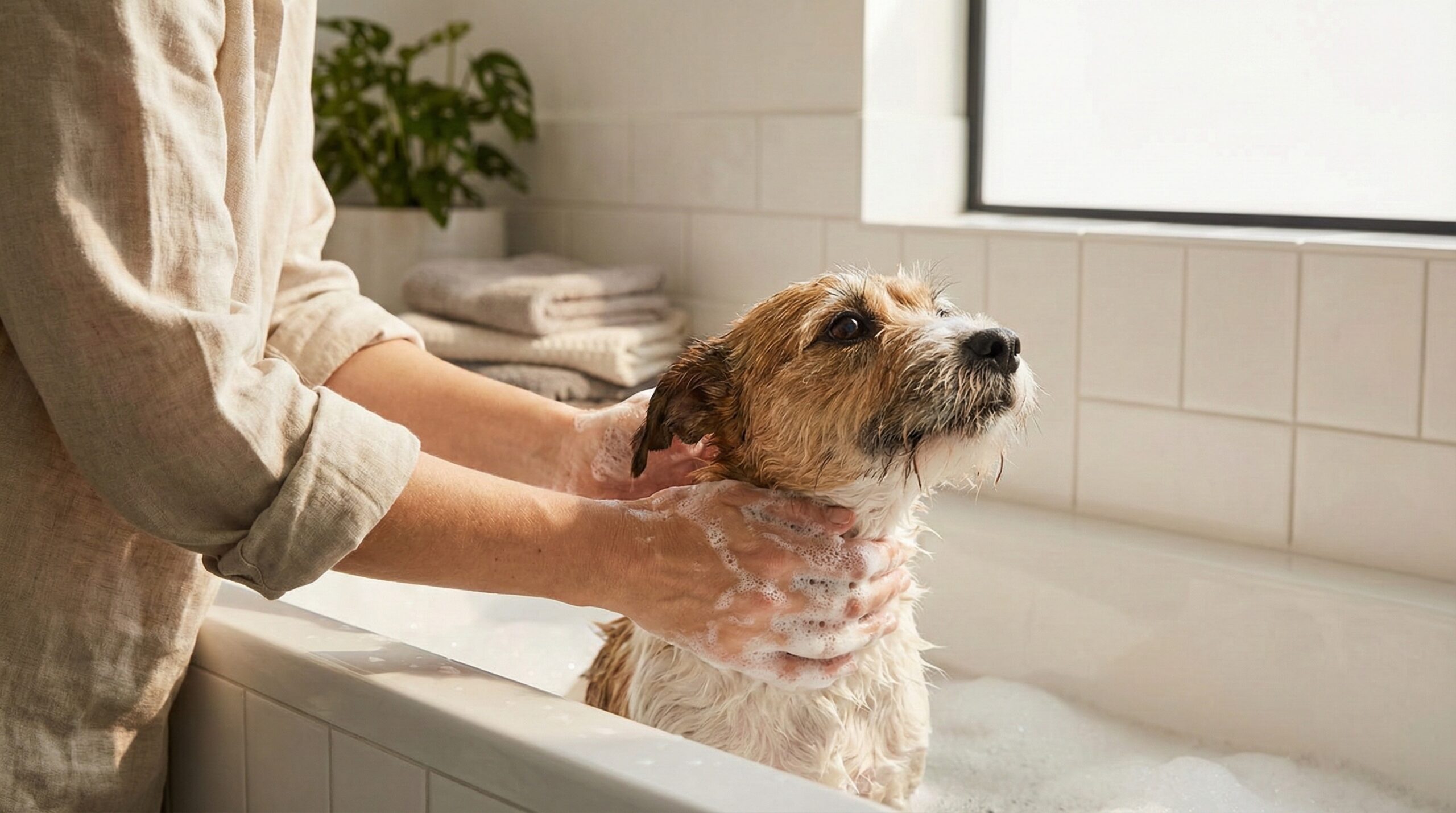
For most senior dogs, the safest “high impact” grooming approach is gentle de-tangling and coat-checking, not aggressive de-matting or long clipping sessions. We’d start with a soft-but-effective slicker brush and a methodical routine in short bursts, then only reach for clippers when the coat is already detangled and your dog is comfortable.
Top Recommended Dog Grooming Tools for Senior Dogs
| Product | Best For | Price | Pros/Cons | Visit |
|---|---|---|---|---|
| Chris Christensen Big G Dog Slicker Brush Large | Everyday brushing for seniors with light tangles | $50 – $75 | Effective coat separation with controlled pressure; can irritate thin skin if you bear down | Visit Amazon |
| Wahl Professional Pro Animal KM10+ Corded Clipper #10 Blade | Maintenance trims when you need steady power | $175 – $200 | Pro-style corded clipper for consistent cutting; cord and weight can be harder with wiggly or sore seniors | Visit Amazon |
| Oster A5 Dual Speed Grooming Clipper with Detachable | Thicker coats that need a more powerful clip | $200 – $250 | Dual-speed clipper that can handle tougher cutting jobs; guide/comb compatibility can be a pain point | Visit Amazon |
Top Pick: Best Overall Dog Grooming Tools for Senior Dogs
Chris Christensen Big G Dog Slicker Brush Large
Best for: Regular, gentle coat maintenance for an older dog (think a 45–70 lb senior who can’t tolerate long sessions) when you’re dealing with everyday shedding and small tangles, not tight mats.
The Good
- Very effective at separating coat and lifting out loose hair, so you can work in shorter sessions (helpful for seniors with arthritis or low patience).
- Large brush head covers more surface area quickly, which can reduce total “time on task” for dogs that get sore standing.
- Works well as a first-pass tool before you do a more precise check for remaining tangles.
- High owner satisfaction overall (4.7/5 across 14,585 Amazon reviews), which suggests it’s a consistent performer for a lot of coat types.
The Bad
- Slicker brushes can scratch or “brush burn” thin senior skin if you use too much pressure or go too fast over bony areas.
- Not the right tool for tight mats near the skin — pushing harder is more likely to hurt your dog than to fix the tangle.
4.7/5 across 14,585 Amazon reviews
“This brush is AMAZING! I have a Tibetan Terrier, and the breed is notoriously challenging to groom. This brush was so efficient it literally cut our brushing time in half, which was great for both me and my dog, Mitzi.Tibetan Terriers are technically a non-shedding breed, but they have a very wooly undercoat that can mat easily, especially when the seasons…” — Verified Amazon buyer (5 stars)
“We had a cheap brush before getting this one. It worked okay, but the shorter bristles felt like they weren’t getting very deep. We wondered if that was the reason for all of the shedding, since the Bernedoodle is supposed to be a low shedder. We did a lot of research for top brands, and this one was on every single list if not at the top of them. Everyone…” — Verified Amazon buyer (4 stars)
Typical price: $50 – $75
Our Take: If you’re only buying one grooming tool to start helping a senior dog at home, this is the type of slicker we’d choose — but the senior-friendly win comes from how gently you use it (light pressure, small sections, frequent breaks), not from muscling through tangles.
Wahl Professional Pro Animal KM10+ Corded Clipper #10 Blade
Best for: Seniors who need occasional sanitary or maintenance trims (for example, a 60 lb senior doodle mix who can’t handle a full grooming appointment often) when the coat is already brushed and combed out.
The Good
- Pro-style clipper setup that’s designed for pet hair, which can make maintenance trims faster than using a “human” hair clipper.
- Corded power means you don’t have to worry about battery drop-off mid-trim when your dog is already stressed or tired.
- Comes with a #10 blade, a common choice for sanitary areas when used carefully and with appropriate technique.
- Solid baseline feedback volume (4.2/5 across 192 Amazon reviews), enough to get a sense of typical owner experience.
The Bad
- The cord can get in the way around a dog that needs frequent repositioning (a common senior-dog reality).
- Clippers can nick skin tags, warts, and loose/thin skin more easily in older dogs — you need to go slow and use guards where appropriate.
- Any clipper can heat up at the blade; you still need to pause and check blade temperature often to reduce burn risk.
4.2/5 across 192 Amazon reviews
“After trying multiple “heavy-duty” clippers that claimed to work on thick coats, these are the first ones that actually made it through my Newfoundland’s fur. If you know Newfie hair, you know it’s less like dog fur and more like a dense, woolly blanket. Every other pair I tried stalled, snagged, or barely made a dent.These clippers powered through the…” — Verified Amazon buyer (5 stars)
“The clipper itself was fantastic. Bought for my giant schnauzer and it stayed cool longer than my Andis and just melted through her hair. My issue was with the metal clip on the body itself that should come up to attach the blade. The thing doesn’t budge without a screwdriver lifting it and force. It’s obviously defective. I called Wahl and at first said it…” — Verified Amazon buyer (3 stars)
Typical price: $175 – $200
Our Take: This is a reasonable pick when you want steady, predictable trimming power, but for seniors we’d only use it after a gentle brush-out and only in short bursts so you’re not forcing uncomfortable positions.
Oster A5 Dual Speed Grooming Clipper with Detachable
Best for: A senior with a thicker coat where a stronger clipper helps you finish faster (for example, a 70 lb older spaniel mix who needs periodic body trims), as long as the coat is detangled first.
The Good
- Dual-speed operation can help you match power to the area you’re trimming, potentially reducing “time spent fussing” on a senior dog.
- Detachable blade system is common in pet grooming, which can be convenient if you already own compatible blades or want to swap to a different cut length.
- Decent owner rating signal (4.2/5 across 219 Amazon reviews) for a category where preferences can be very coat-dependent.
- Useful for maintenance trimming when brushing alone isn’t enough to keep your senior comfortable and clean.
The Bad
- Owner feedback flags friction around combs/guides, which matters if you rely on snap-on attachments for a safer, less “close” cut.
- Like any clipper, it can snag or catch if you try to run it into tangles or hidden mats — a bigger risk with thin senior skin.
4.2/5 across 219 Amazon reviews
“By far the best clippers for money. Over the past 10 years, we have searched for the perfect clippers to get through the double coat of our dogs, and these clippers not only make the cut but save time as well.” — Verified Amazon buyer (5 stars)
“The comb guides provided don’t fit the blades and are too small. They are not useable on this clipper model. Someone had to know this.” — Verified Amazon buyer (2 stars)
Typical price: $200 – $250
Our Take: If your older dog truly needs clipper work (not just brushing), this style of clipper can make the job efficient — but the senior-safe approach is still: detangle first, use guards, and stop immediately if you hit resistance.
FAQ
What’s the safest grooming workflow for senior dogs with tangles?
In most homes, the lowest-risk workflow is: brush gently in small sections to separate and remove loose coat, then “check your work” with a comb to confirm it glides through without snagging. If the comb repeatedly catches in the same spot, stop and reassess instead of brushing harder — seniors often have thinner skin and less tolerance for pulling, and forcing it can create pain or skin injury.
How do I know when matting is too severe for home grooming tools?
If mats are tight to the skin, widespread across the body, or the skin underneath looks irritated (redness, odor, moistness, sores), it’s usually safer to involve a professional groomer or your vet’s clinic. Trying to cut out tight mats at home can slice skin surprisingly easily, especially on older dogs with loose skin or growths.
Are clippers safe for senior dogs?
They can be, but the risk is higher if your dog has thin skin, skin tags, or can’t stand steadily. Use clippers for maintenance trims only when the coat is already brushed out, work in very short bursts, and check blade temperature often to reduce clipper-burn risk. If your senior has heart or breathing issues or gets overly stressed by handling, it’s worth discussing a grooming plan with your vet — the AVMA senior pet care guidance is a good starting point for what “senior changes” can look like.
Should I choose a corded or cordless clipper for an older dog?
Cordless can reduce cord tangles and repositioning hassle, but corded models offer consistent power so you can finish quickly once your senior is settled. For senior comfort, prioritize low stress handling, minimizing time in awkward positions, and stopping if your dog shows pain — principles aligned with low-stress handling approaches like those taught by Fear Free Pets.
How long should grooming sessions be for arthritic or weak seniors?
Many seniors do better with short sessions (often just a few minutes at a time) with breaks, rather than a single long grooming event. You can split tasks across days — for example, brush today, trim sanitary areas tomorrow — so you don’t flare joint pain or build negative associations with handling. The AAHA Senior Care Guidelines are a helpful reminder that pain and reduced resilience are common in older pets, and your grooming plan should adapt.
What setup changes help mobility-impaired senior dogs during grooming?
Prioritize stability and traction: a non-slip surface, gentle support under the body if needed, and grooming in a position your dog can tolerate (often lying on their side rather than standing). Avoid forcing stretching or long “three-leg” stances, since that can aggravate arthritis and make future grooming harder.
When should I stop grooming and call a vet?
Stop and call your vet if you notice bleeding that doesn’t quickly stop with gentle pressure, sudden pain reactions (yelping, snapping when touched), new lumps you haven’t seen before, or signs of skin infection under the coat (hot spots, pus, strong odor). Seniors can have more fragile skin and underlying medical issues, so it’s better to pause than to push through.
Bottom Line
For most senior dogs, the best grooming “tool” is a gentle, repeatable routine that minimizes pulling and keeps sessions short. Our top pick is the Chris Christensen Big G slicker brush because it can remove loose hair and separate mild tangles efficiently — which matters when an older dog can’t tolerate a long grooming session — as long as you use light pressure and avoid forcing out mats.
Affiliate disclosure: Some of the links in this article are affiliate links, meaning we earn a small commission if you make a purchase.