

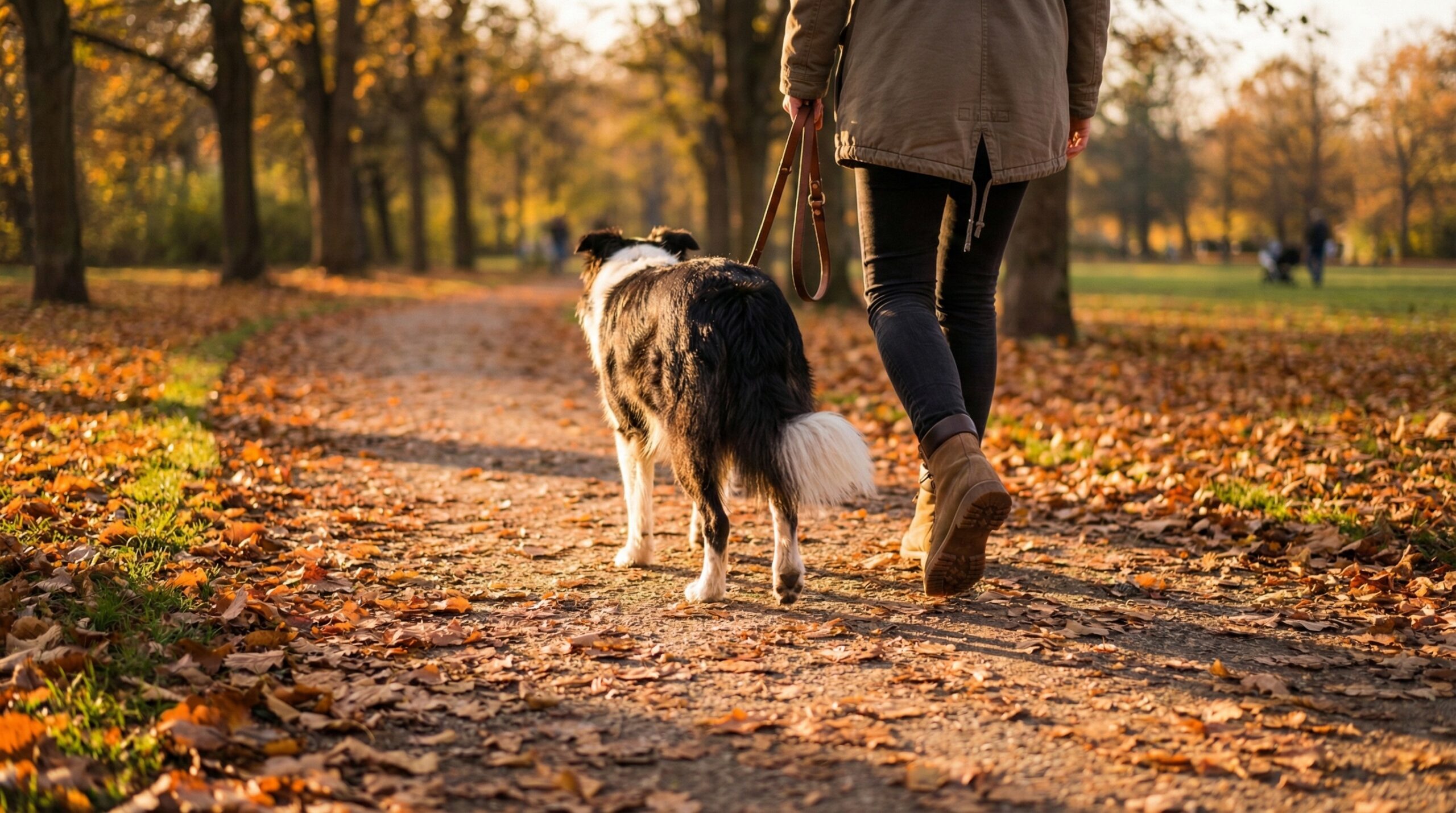
TL;DR
For most active dogs, the best long leash is one you can control comfortably at speed, that won’t turn into a heavy, gritty mess after wet grass, mud, or a creek crossing. We generally prefer a waterproof Biothane-style long line in the 15–20 ft range paired with a back-clip harness, because it’s easier to clean and easier to manage safely than absorbent fabric lines.
Top Recommended Long Leashes for Active Dogs
| Product | Best For | Price | Pros/Cons | Visit |
|---|---|---|---|---|
| Viper K9 Biothane Working Dog Leash 1/2in x 15ft | Most active dogs needing a wipe-clean 15 ft line | $30 – $40 | Waterproof Biothane-style webbing for mud/water; can still tangle around feet if you don’t manage slack | Visit Amazon |
| OffRoad K9 Biothane Longline | Handlers who want longer Biothane options (e.g., 40 ft) for open-space recall work | — | Biothane long line option for outdoor training; pricing varies and isn’t shown as a consistent range | Visit OffRoad |
Top Pick: Best Overall Long Leashes for Active Dogs
Viper K9 Biothane Working Dog Leash 1/2in x 15ft
Best for: Active dogs doing park training, hiking, and “run a bit, sniff a lot” sessions where you need control without hauling a soaking-wet leash back to the car.
The Good
- Great default length for active dogs: 15 ft is long enough for freedom but short enough to manage in most parks and trail situations (especially if your dog accelerates fast).
- Waterproof, wipe-clean material: Biothane-style coated webbing tends to shed water and grime better than absorbent nylon, which is a big deal for muddy fields or beach days.
- Width that’s easier on hands: The 1/2-inch width is a practical middle ground for many medium to large dogs when you’re hand-over-handing to reel in slack.
- Working-dog oriented build: This style of line is designed for harder use than a basic “training lead,” which is what many active-dog households actually need.
- Owner feedback points to confidence in strength: People specifically mention being pleasantly surprised by how solid it feels for the price.
The Bad
- You still need good line handling: Any long line can wrap around ankles or snag brush if you let slack pile up — this isn’t a “set it and forget it” leash.
- Coated lines can feel stiffer in cold: Waterproof-coated webbing is often less supple than fabric webbing, particularly in cooler weather.
- Not a drag line: A handled long line like this isn’t ideal for intentionally trailing behind your dog over rough ground (handles can catch and wear).
4.7/5 across 895 Amazon reviews
“At first I was skeptical about the strength and cost of the original Viper biothane leash. I am SO happy with it. It’s a bright, beautiful orange color that can be seen by the forest preserve police leash patrol from a distance. It’s better than expected. I have a puller/lunger basset beagle mix (we are working with a trainer) that started her wearing a…” — Verified Amazon buyer (5 stars)
“Good quality and length, strong, good value, but be very careful it does not wrap around your feet.” — Verified Amazon buyer (4 stars)
Typical price: $30 – $40
Our Take: If you want one long leash that fits the widest range of “active dog” use cases, this 15 ft Biothane-style line is the most balanced pick — just pair it with a harness and practice managing slack so your dog doesn’t hit the end at speed.
Longline
Best for: Recall practice in large open areas (think fields) when you specifically want longer lengths like a 40 ft setup for a fast dog with big running strides.
The Good
- Biothane long line concept: For active dogs, waterproof-coated long lines are often easier to keep clean after wet grass, sand, or mud.
- Owner-reported long-length setups: This brand gets mentioned by owners running multi-line systems (e.g., a shorter line plus a longer one) for different training contexts.
- Good fit for structured off-leash prep: A longer line can help you proof recall while maintaining a safety backstop.
- Outdoor-training focus: The product is positioned around long-line training use cases rather than being a generic leash listing.
The Bad
- Long lines raise the “hard stop” stakes: At 30–50 ft, it’s easier for an athletic dog to build speed and hit the end — which is exactly why harness attachment and line skills matter.
- Price isn’t consistently presented as a simple range: Expect cost to vary based on options like length, width, and hardware.
“+1 for biothane. I have a 10’ and a 40’ I got from offroadk9 on Etsy.” — r/OpenDogTraining discussion
Our Take: If you already know you want a longer Biothane line for open-space training, this is worth a look — but be realistic about the handling and safety demands that come with 40 ft.
FAQ
What length long leash is best for an active dog in a park?
For most active dogs in a typical park, 15–20 ft is the sweet spot: it allows sniffing and movement without creating constant tangles or forcing you to “reel in” huge amounts of line every few seconds. Longer lengths (30–50 ft) tend to work best in wide open spaces with fewer obstacles, and only if you’re practiced at gathering slack so your dog doesn’t sprint into a hard stop.
Is Biothane better than nylon for active dogs?
Often, yes — especially if you deal with wet grass, mud, or sand. Biothane-style coated webbing is popular because it’s generally waterproof and easier to wipe clean, while many nylon lines can absorb water and grit, getting heavier and rougher on hands over time. That said, nylon can feel softer and more flexible, so if you stay mostly dry and want maximum suppleness, it can still be a reasonable choice.
Should I buy a handled long leash or a drag line?
Buy a handled long leash when you plan to actively hold the line (most training sessions, park walks, and hiking). Choose a handle-less drag line only when you specifically want the leash to trail behind your dog during controlled training — because handles can snag on brush, roots, or rocks, and they can create sudden stops. For many active dogs, a handled long line is the safer, more versatile starting point.
Can I attach a long line to my dog’s collar?
If there’s any chance your dog will hit the end at speed, most trainers recommend using a harness rather than a collar to reduce neck injury risk. This is especially important with high-drive dogs who accelerate quickly. For broader leash safety principles, you can review the ASPCA’s dog walking tips and the AVMA pet care resources for general restraint and handling guidance.
How do I prevent my dog from hitting the end of the long line at speed?
Start by choosing an open area, attaching the long line to a back-clip harness, and keeping “managed slack” (avoid letting the entire line stretch straight). Practice gathering the line in loops as your dog moves toward the end, and cue a turn/back-to-you behavior before they’re fully extended. For fast dogs, gloves and a slightly wider line can reduce friction injuries — and avoid wrapping the line around your hand or wrist.
Are long leashes allowed on hiking trails and in parks?
It depends on the specific rules where you’re walking. Many trails — including in National Park areas — have leash-length limits and require pets to be on a leash no longer than a stated maximum. Before hiking with a long line, check the relevant National Park Service pet policy information and any posted rules for your local park system.
Is it safe to use a long line near water?
Use extra caution. A long line can snag on rocks, branches, or underwater debris, and in moving water that can put a dog in real danger. For lake edges and calm areas, many people prefer a shorter long line (or a standard leash) so there’s less slack to tangle; avoid letting the line drift downstream or wrap around your dog’s legs.
Bottom Line
If you’re buying one long leash for an active dog, we’d start with the Viper K9 Biothane Working Dog Leash (15 ft) because it balances control, durability, and easy cleaning better than most fabric long lines. Pair it with a back-clip harness, keep slack managed, and avoid letting your dog sprint into a full extension — those handling choices matter as much as the leash itself.
Affiliate disclosure: Some of the links in this article are affiliate links, meaning we earn a small commission if you make a purchase.