

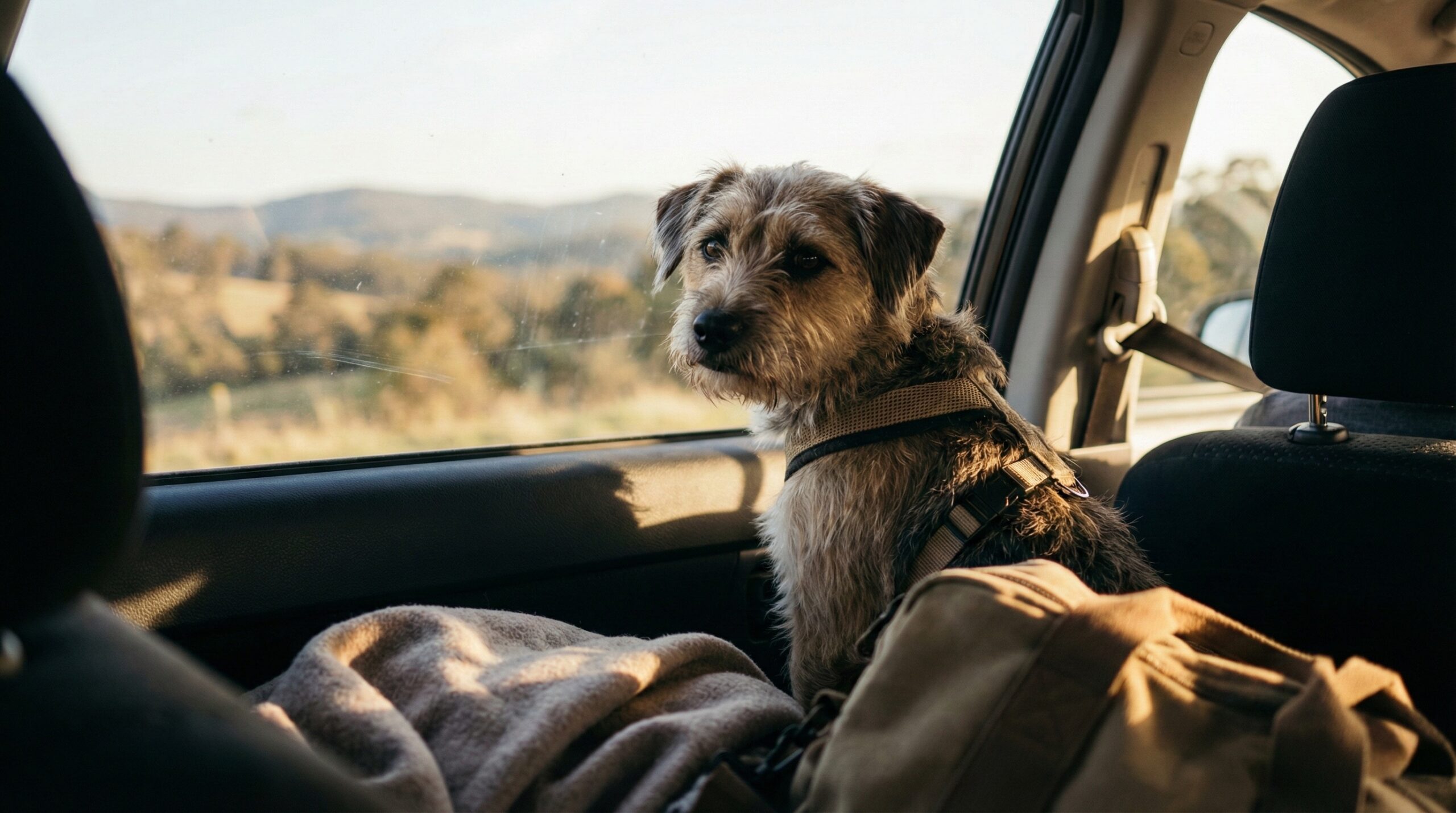
TL;DR
- Safety First: For high-impact travel, a standard leash isn’t enough; specialized pet gear and accessories like escape-proof harnesses are mandatory.
- Top Pick for Hikers: The Ruffwear Front Range remains the gold standard for daily adventure, though sizing can be tricky.
- Best for Water: High-buoyancy life vests are non-negotiable for kayaking, especially for top-heavy breeds.
- The Budget Factor: Premium gear lasts longer, but user reviews warn that cleaning mud out of technical fabrics is a chore.
- Weather Readiness: Use cooling vests for summer heat and hybrid-insulated jackets for snowy mountain treks.
Taking your dog on the road requires more than a standard leash. Whether you are mountain biking, kayaking, or trekking through snow in February 2026, your dog needs performance gear that matches your pace. You wouldn’t hike a peak in flip-flops; your dog shouldn’t face rugged terrain without the right protection. This guide breaks down the essential kits for the truly active dog, focusing on durability, comfort, and real-world performance.
Top-Tier Essentials for Every Active Dog
Before you hit the trail or the open road, you need to evaluate your dog’s foundation. If your dog’s harness fails or their ID tag snags on a branch, a fun afternoon can turn into a crisis. Invest in equipment that prioritizes “buy it for life” durability over cheap, aesthetic-focused alternatives.
Best Travel Gear for Active Dogs (2026 Comparison)
| Product Name | Best For | Price Range | Pros/Cons | Visit |
|---|---|---|---|---|
| Ruffwear Front Range | All-day Hiking | $$ | Comfy padding / Sizing issues | |
| Ultimate Escape Proof Harness | Anxious Adventurers | $$$ | Unmatched security / Heavyweight | |
| Buddyrider Bicycle Seat | Biking with Small Dogs | $$$$ | Stable mount / Weight limits | |
| Ruffwear Dog Pack | Backpacking | $$$ | Great weight distribution / Pricey |
Performance Harnesses: The Foundation of Safety
Ruffwear Front Range Harness
You have likely seen this harness on trails across the country. It is popular for a reason: it balances everyday comfort with the ruggedness needed for steep scrambles. The harness features two attachment points—a reinforced webbing loop on the chest for dogs that pull and a V-ring on the back for relaxed walking. Your dog will benefit from the extensive foam padding, which prevents chafing during eight-hour days on the move. However, pay close attention to the chest measurements. In 2026, user data still suggests that dogs on the “cusp” between sizes almost always need to size up to avoid restrictive shoulder movement.
The Good
- Four points of adjustment allow for a near-custom fit on most breeds.
- Reflective trim is surprisingly bright during late-evening campsite setups.
- The dedicated ID pocket keeps tags quiet and prevents them from snagging on underbrush.
The Bad
- The front leash attachment point is made of webbing, not metal, and can fray over time if your dog is a heavy puller.
- Some owners report that the chest panel retains significant odor after muddy hikes and requires deep scrubbing.
Our Take: Best for high-energy dogs who spend most of their time on established trails. Skip if your dog is an expert at backing out of traditional harnesses.
The Dog Outdoors Ultimate Escape Proof Dog Harness
If you travel with a “Houdini” dog—a sighthound or a nervous rescue who can wiggle out of almost anything—this is your solution. Unlike standard harnesses, this model uses a third strap that sits further back on the dog’s waist. Your dog physically cannot back out of it because the waist is narrower than the ribcage. It is built with heavy-duty components designed for high-impact activities. While it looks bulky, the security it provides allows you to hike near cliff edges or busy roads with total peace of mind.
The Good
- Provides absolute peace of mind for owners of dogs with high prey drives.
- The top handle is exceptionally sturdy, making it easy to assist your dog over large rocks or fallen trees.
- Wider straps distribute pressure more evenly than thinner, minimalist harnesses.
The Bad
- The extra strap can be annoying to put on a wiggly dog every single morning.
- It offers less “breathability” than the Ruffwear model, so keep an eye on your dog’s temperature in desert climates.
Our Take: Best for deep-chested breeds and nervous travelers who need maximum security. Skip if your dog is already a perfect walker and you prioritize lightweight gear.
Specialized Leashes and Identification
When you are deep in the woods, a retractable leash is a liability. It can snap, tangle in branches, or cause rope burn. Instead, look for leashes with “traffic handles” (a second loop near the collar) for quick control. Furthermore, consider moving away from hanging ID tags. Many active owners now prefer slide-on dog ID tags from dogIDs. These stainless steel plates slide directly onto the collar webbing. Your dog can run through thick brush without the risk of a “D-ring” opening or a tag getting caught on a branch and pulling the collar off. It also eliminates the constant “clinking” sound that can be distracting in the quiet of the wilderness.
Activity-Specific Gear for Serious Adventurers
Biking with Your Dog
Buddyrider Dog Bicycle Seat
If your dog is under 25 pounds, they don’t have to miss out on your cycling trips. The Buddyrider is unique because it mounts to the seat post, placing your dog between your arms rather than on the handlebars or behind you. This center-mounted position keeps your bike’s center of gravity stable. You can see your dog, talk to them, and monitor their comfort without taking your eyes off the path. It is far more secure than a basket, featuring a four-point safety harness to keep them seated even if you hit a bump.
The Good
- Superior balance compared to front-mounted baskets or rear trailers.
- Makes “dog-friendly” bike touring possible for older dogs who can no longer run long distances.
- The high-quality plastic is UV-resistant and stands up to years of sun exposure.
The Bad
- You may have to adjust your pedaling style (knees slightly outward) depending on your bike’s frame size.
- The initial installation is a bit tedious and might require extra tools if your seat post has a non-standard diameter.
Our Take: Best for small to medium-sized dogs who want to join your road or light trail rides. Skip if your dog is over 25-30 pounds or highly reactive to passing squirrels.
Water Adventures: Kayaking and Swimming
Even if your dog is a natural swimmer, a life vest is vital for travel. If your dog falls out of a kayak in the middle of a lake, they will tire quickly. A life vest provides buoyancy and, more importantly, a handle. Look for vests with a reinforced “lift” handle. For breeds like French Bulldogs or Corgis—who are notoriously “front-heavy” in water—a vest with a chin float is essential to keep their snout above the waterline. In 2026, many owners are opting for high-visibility neon colors (orange or yellow) because a dark-furred dog is nearly invisible in choppy, dark water.
Hiking and Backpacking
Ruffwear Dog Packs
When you’re trekking miles into the backcountry, your dog can help carry their own weight—literally. Ruffwear packs are designed like human technical packs, with the weight shifted forward over the shoulders where the dog is strongest. This prevents strain on the lower back. You can store their food, collapsible bowls, and waste bags in the panniers. A common rule of thumb: never exceed 25% of your dog’s body weight, and always start with empty packs to get them used to the wider profile.
The Good
- The saddlebags are streamlined, reducing the chance of your dog getting stuck in narrow passages.
- The internal frame prevents the load from shifting and causing blisters.
- Exceptional durability; these packs often last 5-10 years of heavy use.
The Bad
- They are expensive. If you only hike once a year, the cost is hard to justify.
- You must balance the weight perfectly on both sides, or the pack will slide to one side, causing skin irritation.
Our Take: Best for multi-day backpackers. Skip if your dog has any history of spinal or joint issues.
Looking for more recommendations on everyday essentials? Check out our complete guide to pet gear and accessories.
Weather Protection: From Heatwaves to Blizzards
Summer Cooling Gear
Traveling in the summer poses a major risk for heatstroke. Cooling vests use “evaporative cooling” technology. You soak the vest in water, wring it out, and put it on your dog. As the water evaporates, it pulls heat away from the dog’s body. Your dog stays cool even during mid-day travel in arid climates. These are particularly effective for dark-coated dogs who absorb a lot of solar heat.
Winter Performance: Coats and Booties
Ruffwear Powder Hound Jacket
This is a “hybrid” jacket—it combines synthetic insulation on the top (to keep core heat in) with a stretchy technical fabric on the bottom (for full range of motion). It’s designed for dogs who aren’t just walking, but running and jumping through snow. It fits snugly, which prevents snow from “balling up” inside the coat—a common problem with looser fleece jackets.
The Good
- Sleeved design provides more coverage for the front legs than standard “cape” style coats.
- The “form-fitting” nature makes it easy to layer under a harness.
- Dries quickly after a session in the snow.
The Bad
- The zipper is on the side and can be difficult to close if your dog has a very thick coat or is impatient.
- The sizing is very athletic; it may not fit “blocky” breeds like Bulldogs well.
Our Take: Best for active, lean dogs like Vizslas, Greyhounds, or Border Collies in freezing conditions. Skip if your dog is stocky or has very short legs.
Ruffwear Polar Trex Winter Dog Boots
If you are walking on iced trails or city sidewalks covered in salt and chemicals, boots are a must. The Polar Trex features a Vibram outsole—the same material used in high-end human hiking boots. This provides traction on slick surfaces that would otherwise cause your dog to slip and potentially pull a muscle.
The Good
- The gaiter-style top keeps snow out of the boot, preventing ice balls from forming between the toes.
- The rubber is rugged enough to handle jagged rocks and sharp ice.
The Bad
- Dogs almost universally hate the feeling of boots at first. You will need to spend weeks training them with treats indoors.
- They are easy to lose in deep powder if not tightened perfectly. Many owners use “boot liners” (socks) to help them stay on.
Our Take: Best for mountaineering and walking on salted roads. Skip if your dog only encounters light, fluffy snow for ten minutes a day.
What Real Users Are Saying (Reddit Insights)
Scouring communities like r/HikingWithDogs and r/Overlanding provides a clear picture of how this gear holds up over time. In 2026, the sentiment remains focused on “Value over Price.”
Top-Rated Highlights
The overwhelming consensus among frequent travelers is that Ruffwear products are worth the “premium tax.” Users frequently post photos of harnesses that have survived five years of salt water, mud, and mountain scrambles. The “buy it for life” sentiment is strong here; owners prefer spending $60 once rather than $20 every year on a harness that rips at the seams. The repairability of these products—and the brand’s customer service—is often cited as a reason for the high loyalty scores.
Cons and Common Complaints
It isn’t all perfect, though. One of the most common complaints on Reddit involves sizing inconsistencies. What fits a 50lb Lab might not fit a 50lb Greyhound because of the chest-to-waist ratio. Many users express frustration that “Active” gear is often designed for “Athletic” (lean) dog shapes, leaving owners of stockier dogs (like Pitties or Mastiffs) struggling to find a good fit. Additionally, the cleaning process is a recurring headache. Technical gear with foam padding can hold onto “wet dog smell” and mud. If you don’t have a high-pressure hose or a gentle cycle washing machine, maintaining this gear can feel like a chore.
Maintenance Tips: Making Your Gear Last
Your gear is an investment. To make it last, you must be proactive. After any trip to the beach, rinse all metal clips and D-rings with fresh water; salt is the number one killer of harness hardware. For waterproof collars (like those made of Biothane), a simple wipe-down with a damp cloth is enough. However, for padded harnesses, avoid the dryer. High heat can break down the internal foam and weaken the stitching. Always air dry your gear in a shaded area—direct sunlight can cause the nylon to become brittle and fade over time.
Conclusion: Choosing the Right Gear for Your Lifestyle
The “best” travel gear is the gear that actually gets used. If you find a harness too difficult to put on, you’ll leave it in the trunk. If your dog hates their boots, they’ll spend the hike miserable. Start with the basics: a high-quality harness like the Ruffwear Front Range and a secure ID system. From there, build your kit based on your specific hobbies. Whether you’re hitting the waves or the slopes, the right equipment ensures that your dog is a partner in your adventure, not a liability. For more tips on keeping your dog ready for the trail, explore our latest guides on pet gear and accessories.
Affiliate disclosure: Some of the links in this article are affiliate links, meaning we earn a small commission if you make a purchase.