

TL;DR
If a Furminator-style blade leaves your dog’s coat looking thinned, causes redness, or just doesn’t pull enough undercoat, switching tools (and technique) can make shedding control easier and gentler. For most double-coated heavy shedders, we’d start with an undercoat rake and then follow with a slicker brush; for short-coated “furry glitter” dogs, a rubber curry-style brush is often the more skin-friendly daily driver.
What Furminator Alternatives for Heavy Shedders Actually Are
When people say they want “Furminator alternatives,” they usually mean: tools that remove lots of loose hair (especially undercoat) without the downsides they’ve run into with a bladed deshedding tool — snagging, pulling, irritating the skin, or taking off more coat than they intended.
In practice, alternatives fall into a few core categories, and each one works differently:
- Undercoat rakes use spaced teeth (often rounded) to reach through guard hairs and lift out loose undercoat. They’re most useful on double-coated breeds (think Husky, German Shepherd, many retrievers, and mixes with a real undercoat). A rake is typically your “first pass” tool during shedding season.
- Slicker brushes use fine wire pins to grab and pull out loosened hair and light tangles near the surface. They’re often best as a “second step” after raking, helping you actually remove what the rake lifted and leaving the coat looking smoother.
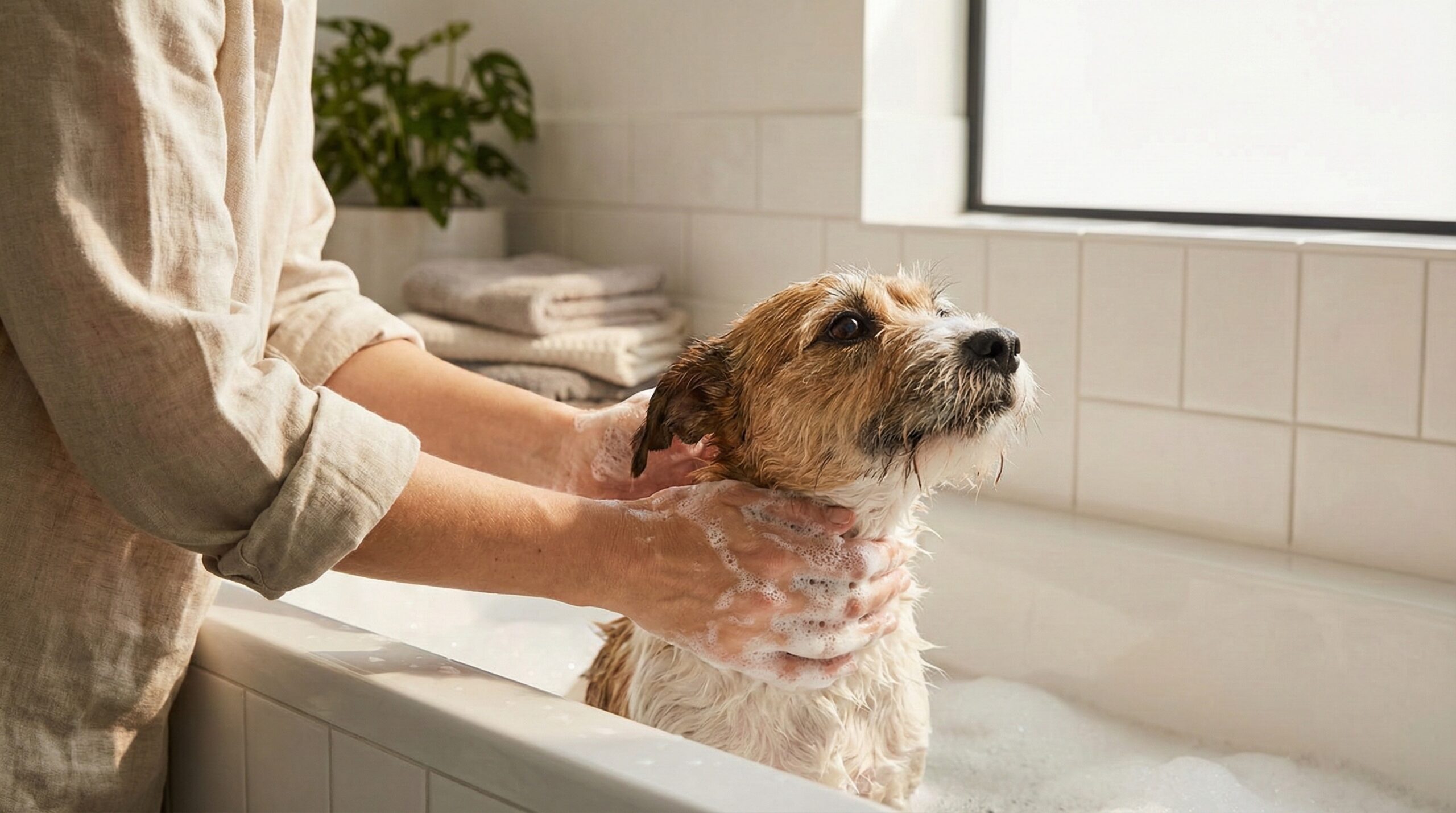
- Rubber curry brushes (and similar rubber grooming tools) rely on gentle friction and static to loosen and collect hair. They’re especially helpful for short coats or dogs that can’t tolerate metal teeth. They also work well during bath time and for quick, frequent maintenance sessions.
- Shedding blades/loops can remove a lot of hair quickly on some coat types, but they also have a higher “oops” factor if you use too much pressure or too many passes in the same spot. Many owners move away from blades when they want more control.
The biggest “replacement” idea is not one magic brush — it’s a routine: lift loose undercoat first, then remove it, then stop before you irritate skin. Guidance from grooming-focused resources like the American Kennel Club (AKC) and basics from the ASPCA grooming guidance line up on the same fundamentals: match the tool to the coat, use light pressure, and keep sessions frequent enough to stay ahead of shed hair but not so aggressive that you cause brush burn.
If your dog has itchy, inflamed skin, hot spots, or hair loss, skip “power deshedding” altogether and talk to a vet — skin issues can masquerade as “just shedding,” and irritation can worsen when you keep scraping at it.
Who Furminator Alternatives for Heavy Shedders Fits Best
Furminator alternatives tend to fit best when you want more control and less risk of overdoing it. Here are the most common scenarios where we see owners happy they switched:
- You have a true double coat and the bladed tool seems to glide over the topcoat or snag instead of lifting undercoat. An undercoat rake + slicker “one-two” is often easier to manage during seasonal coat blows.
- Your dog gets red or sensitive after deshedding. Rubber curry tools and softer slicker sessions can be a better fit for frequent grooming without scraping the skin line.
- You’d rather do shorter, more frequent sessions (5–10 minutes) instead of one long “strip out everything” session. Alternatives are usually better for gradual progress.
- You’re dealing with multi-tool reality: heavy shedding often needs more than one tool, especially when the undercoat is compacted.
Many owners also find that mixing tool types works best depending on the season and coat condition. As one owner described a multi-step routine: “We use the combination of a steel slicker brush, shedding blade/rake, and Kong ZoomGroom brush for everyday shedding, and a high velocity dryer for when they’re seriously coat blowing.” — Sibe/Samoyed/Husky grooming routine on r/dogs
Who Should Skip Furminator Alternatives for Heavy Shedders
Alternatives can be gentler, but they’re not automatically “easy.” You may want to skip (or at least pause and rethink) if any of the following are true:
- Your dog has active skin irritation (hot spots, scabs, rash, open sores) or persistent itch. Brushing over inflamed skin can make things worse; a vet can help you rule out allergies, parasites, infection, or dermatitis.
- You want a one-pass miracle. The whole point of many Furminator alternatives is control — meaning they may take more time, or require two tools, to get the same “hair removed” result.
- You’re not willing to adjust technique. Too much pressure, too many repeat passes, or brushing against the grain can irritate skin with any tool (including a slicker or rake).
Also: some tools simply don’t feel great in day-to-day use. Even something as simple as cleanup and durability can matter. One slicker-brush buyer put it plainly: “The one before this one broke early on and I did a fix and it finally gave out.” — verified buyer, 3 stars
Price and Value
Pricing varies a lot by tool type, size, and where you buy it, but there are a few practical “value” takeaways:
- Slicker brushes are usually the budget-friendly add-on to a shedding routine. For example, the Hertzko Self Cleaning Slicker Brush is commonly found in the $10–$20 range, which makes it a low-risk second step after raking.
- Undercoat rakes can be the best value for double coats because they target the real source of seasonal shedding (the loose undercoat). Even if a rake costs more than a basic brush, it can shorten sessions and reduce pulling when used correctly.
- Rubber curry brushes are often “cheap insurance” for sensitive dogs or short coats, because they let you brush more often with lower skin risk.
One note on value: if you’re currently buying tool after tool trying to find “the one,” it can be cheaper (and easier on your dog) to commit to a two-tool plan based on coat type — then focus on technique rather than chasing a different brand every month.
Common Mistakes When Trying Furminator Alternatives for Heavy Shedders
Most shedding frustration comes down to mismatching the tool to the coat — or using a good tool in a way that causes snagging, irritation, or disappointing results. Here are the pitfalls we see most often in owner feedback and grooming guidance:
- Buying a slicker and expecting it to replace an undercoat tool. On thick double coats, a slicker alone may not reach the undercoat well enough to make a dent during a coat blow.
- Pressing harder instead of changing the approach. If you feel scraping, hear a scratchy sound, or see pink skin, lighten up and work in smaller sections.
- Over-brushing the same spot. Once the tool stops collecting hair easily, continuing to “chase hair” increases friction without much payoff.
- Using the wrong tool for short coats. Some short-haired dogs do better with rubber curry brushing frequently, rather than repeated metal-tooth sessions.
- Skipping cleanup strategy. If the hair you loosen just clings to the coat, it can feel like the tool “isn’t working,” when it’s really a removal/collection issue.
A common example: some owners find rubber brushes loosen hair but don’t actually get it off the dog without a follow-up wipe, bath, or second brush. One owner noted: “when i brush my shorthair pittie with a rubber brush (kong zoomgroom), all the hair just sticks to him, so then he has a bunch of loose hair that i need to gather with my hands.” — shorthair pittie rubber brush static on r/dogs
When in doubt, think in steps:
- Lift (rake) for dense double coats
- Collect/finish (slicker) to pull out what you lifted
- Maintain (rubber curry) for frequent, gentle sessions — especially on short coats or sensitive skin
If your dog has ongoing dandruff, redness, or itch after grooming, that’s a sign to scale back and consider checking in with a vet. For general safety framing around products that contact skin (like shampoos and grooming aids), the FDA’s Center for Veterinary Medicine is a reliable reference point.
FAQ
Are Furminator-style deshedding blades safe for double-coated dogs?
They can be used safely with the right technique, but they’re easier to overuse than rakes and slickers. Too much pressure or too-frequent sessions can irritate skin and may contribute to a “thinned” look. For many double-coated heavy shedders, an undercoat rake followed by a slicker brush is a more controlled way to remove loose undercoat while keeping the topcoat looking normal.
What’s the best Furminator alternative for a Husky or German Shepherd?
For thick double coats, we generally like a two-step routine: start with an undercoat rake to lift loose undercoat, then follow with a slicker brush to pull out what you lifted and smooth the coat. During a seasonal coat blow, you may do shorter sessions more often; outside that window, scale back to maintenance brushing.
What’s a better alternative for short-haired heavy shedders?
Short coats often do best with a rubber curry-style brush used gently and frequently (a few minutes at a time). Metal shedding tools can still have a place, but many owners get better day-to-day results — and fewer skin flare-ups — when the “default” tool is rubber and the routine is consistent.
How do I know if I’m brushing too hard or too often?
Watch for pink/red skin, dandruff or flaky patches, increased scratching right after grooming, sensitivity when you touch the brushed area, or a rough/thinned look to the coat. If you see those signs, back off (lighter pressure, fewer passes, fewer sessions) and consider a vet visit if symptoms persist.
Do I really need two tools to manage heavy shedding?
Often, yes — especially for double-coated dogs. A rake is good at lifting loosened undercoat from deeper in the coat, while a slicker (or, for short coats, a rubber curry) is better at collecting and removing what’s been loosened. One-tool routines can work for light shedders, but heavy shedding usually goes faster and feels better for your dog when you split the job into steps.
Should I brush before or after a bath to reduce shedding?
Many owners have success brushing both: a quick brush before bathing to remove loose hair and prevent clogs/mats, then another session after the coat is dry to pull out what the bath loosened. If you use a dryer, keep it comfortable and avoid overheating the skin. If your dog’s skin is sensitive, ask your vet or groomer about a gentler schedule and products.
Looking for these on Amazon? Browse Furminator alternatives for heavy shedders on Amazon →
Bottom Line
The best Furminator alternatives for heavy shedders are usually not blades — they’re coat-matched tools used with light pressure and a repeatable routine. For double coats, think undercoat rake first, slicker second; for short coats, think rubber curry for frequent maintenance. If shedding comes with itch, redness, or hair loss, pause the deshedding and check in with a vet to rule out skin problems before you keep brushing.
Affiliate disclosure: Some of the links in this article are affiliate links, meaning we earn a small commission if you make a purchase.