

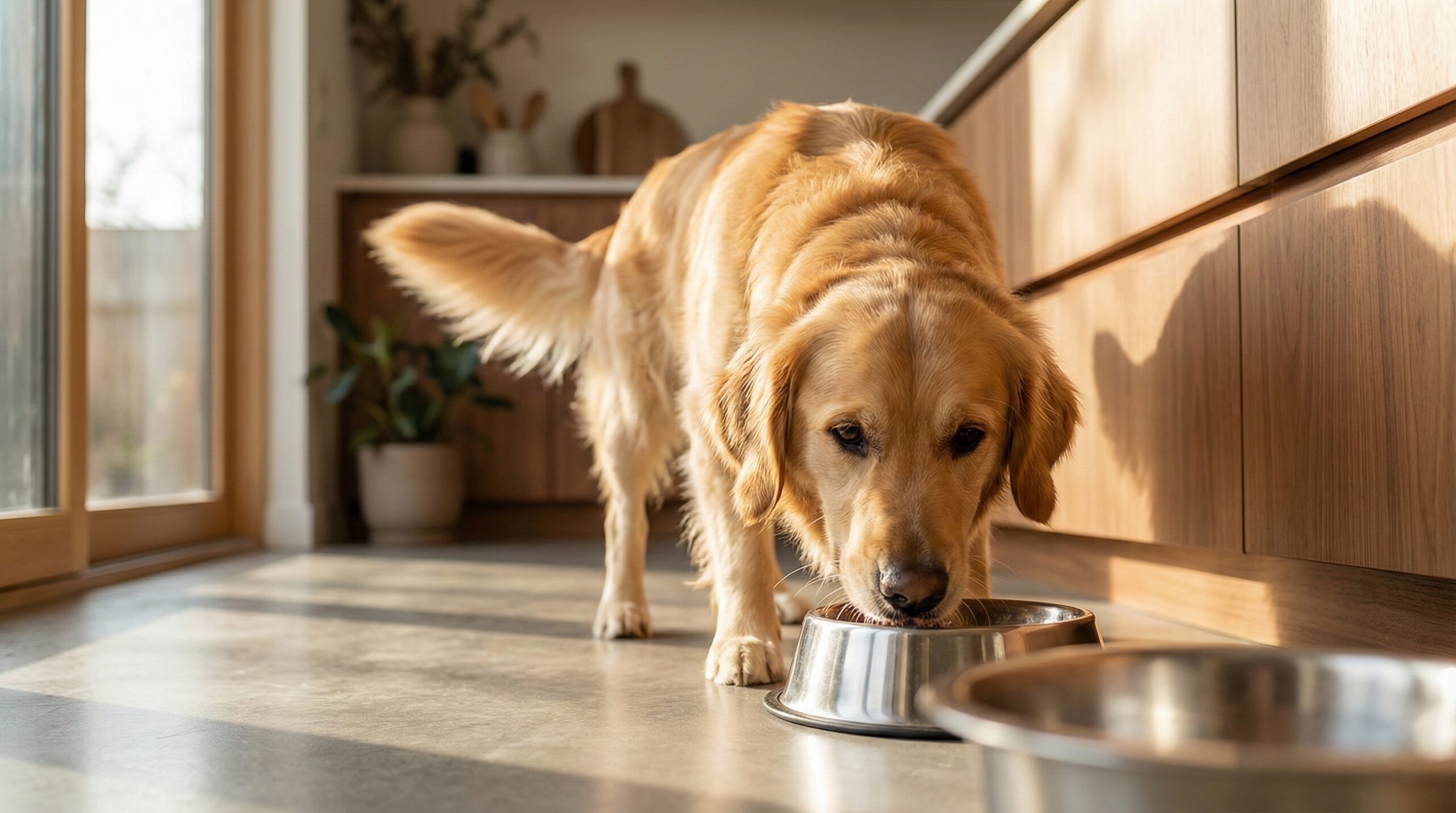
TL;DR
Royal Canin puppy food is a solid “structured choice” if you want size-specific formulas and clear growth-stage guidance — especially if you can estimate your puppy’s adult size. To pick the right one, match the bag to your puppy’s expected adult weight/size category, confirm it’s labeled for growth, then transition slowly and adjust portions based on body condition (not just the feeding chart).
What Royal Canin Puppy Food Actually Is
Royal Canin puppy food is a line of dog foods designed specifically for puppies in their growth phase, with formulas typically organized by adult size (X-Small, Small, Medium, Large, Giant) and sometimes by breed. The big idea is that puppies don’t just need “more calories”—they need the right balance of nutrients for development, and that balance can differ depending on expected adult size and growth rate.
In practice, you’ll see Royal Canin puppy foods sold mainly as:
- Dry kibble (most common): easy to measure, store, and use for training.
- Wet/canned: often used for palatability, puppies who struggle with chewing, or mixed feeding.
- Mixed feeding (you combine wet + dry): can help picky eaters while keeping cost and routine manageable.
One useful thing about Royal Canin’s approach is that it encourages you to choose food based on where your puppy is headed, not just what they weigh today. A 12-week-old puppy might be 12 pounds now but could be 25 pounds full grown — or 75. That difference matters because large-breed growth is often managed more carefully, and nutrition for growth needs to be “complete and balanced” for the right life stage.
When you’re evaluating any puppy food, the most important label language is whether it’s intended for growth (or “including growth of large size dogs,” which is a common life-stage statement you’ll see referenced in AAFCO-style wording). If you’re not sure what that means, AAFCO nutrient profiles are the baseline standard that helps define what “complete and balanced” looks like for different life stages (growth vs. adult maintenance).
From a vet-nutrition perspective, it’s also reasonable to look at the manufacturer’s quality-control practices and nutrition expertise. The WSAVA Global Nutrition Guidelines are a widely cited framework for what to ask of any pet food company (who formulates the diet, what quality checks exist, whether the diet is substantiated appropriately, and so on). And for basic nutrition needs in dogs — including growth — references like the Merck Veterinary Manual emphasize that puppies are not “mini adult dogs,” and that growth is a period where imbalances can matter.
If you want to browse the brand’s own overview of its puppy range, you can start with Royal Canin’s US puppy product page.
Who Royal Canin Puppy Food Fits Best
Royal Canin puppy food tends to fit best for owners who want a straightforward system: pick a size category, follow a feeding chart, and make smaller adjustments based on how their puppy is doing. It’s also a comfortable choice for people who like to stick with a widely distributed brand that’s easy to find online and in many pet stores (so you’re less likely to get forced into a sudden switch).
- Owners who can estimate adult size reasonably well (purebred puppies, known parents, or a vet’s estimate for mixes).
- People raising small-breed puppies who want a formula explicitly designed around smaller mouths and faster early growth.
- Households that prefer measured meals over free-feeding, so it’s easier to monitor appetite, stool quality, and body condition.
- Owners who want a clear “growth” life-stage label and guidance that’s simple to follow.
Owner feedback often highlights palatability and breeder recommendations as reasons people start with Royal Canin. For example: “my new puppy loves this food. The breeder we got him from suggested this. The quality of this foos is what mattered to us. Supports brain health and is specifically for 2-10 months old puppies.” — verified buyer, 5 stars
If your puppy has a sensitive stomach, Royal Canin can still work — but we’d treat the transition as non-negotiable: gradual change, stable treats, and close stool monitoring. If you’re dealing with ongoing digestive upset, your vet should be part of the decision (and you may need a different formula type entirely).
Who Should Skip Royal Canin Puppy Food
Royal Canin puppy food isn’t automatically the best fit for every household — especially if budget and bag size are major stress points, or if you can’t reliably pick the right size category.
- Budget-capped owners who need a lower cost per pound (especially during growth spurts when food disappears fast).
- People who strongly prefer limited-ingredient or specific protein choices and don’t want to work within a size-based lineup.
- Owners who can’t estimate expected adult size (common with very young mixed-breed rescues).
- Puppies with medical needs (GI disease, food allergies, certain orthopedic concerns) where your vet recommends a therapeutic or specialized diet.
Some buyer reviews call out value and convenience issues. One verified buyer put it bluntly: “Overpriced and small size bag.. takes much more time then buying it locally (and cheaper to buy directly from pet shops)..mot recommended” — verified buyer, 1 stars
Also, if your puppy is large-breed (or expected to be), we’d be extra cautious about choosing any puppy food without confirming the life-stage statement and making sure your vet is comfortable with the growth plan. Evidence indicates that overfeeding and overly rapid growth can raise orthopedic risk in large dogs — so even a quality food can become a problem if portions are too generous.
Pricing and How to Buy
Royal Canin puppy food generally lands in the mid-to-premium price range compared with many mainstream puppy kibbles. The “value” question usually comes down to two things: (1) whether your puppy does well on it (stool, appetite, coat, steady growth), and (2) whether you can buy it in a way that keeps the cost predictable.
Here’s how we think about price and value for Royal Canin puppy food:
- Cost per pound matters more than sticker price. Smaller bags often have a higher cost per pound, and puppies — especially medium/large puppies — can go through a small bag quickly.
- Autoship vs. local shopping is a real tradeoff. Online ordering can be convenient, but some owners find local pet stores cheaper or faster (and running out can force a sudden diet change).
- Wet food raises the cost per calorie. If you use wet food for appetite support, consider mixed feeding instead of all-wet unless your budget is comfortable.
- Plan around growth spurts. Use the feeding chart to estimate weekly/monthly usage, then buy bag sizes that reduce the chance you’ll run out unexpectedly.
We also recommend keeping the bag’s lot information and “best by” details. A practical storage approach is to keep kibble in its original bag (so the label stays with it) and place that bag inside an airtight container. Store it in a cool, dry place and discard food that smells rancid or shows signs of moisture or mold.
If you ever want to check for official safety notices, use the FDA animal & veterinary recalls, withdrawals, and safety alerts page rather than relying on social posts or third-party lists.
Common Mistakes When Trying Royal Canin Puppy Food
Most “Royal Canin didn’t work for my puppy” stories we see trace back to selection or process issues — picking the wrong size line, changing foods too fast, or unintentionally overfeeding because puppy portions climb quickly as they grow.
Aggregated owner commentary from public reviews: owners commonly mention that puppies may love the food, but frustration builds when the bag feels small for the price or when ordering online takes longer than expected. A smaller (but important) cluster of complaints often lines up with digestive upset during a fast switch, which is hard to separate from normal puppy GI sensitivity if multiple diet changes happen at once.
- Mistake #1: Choosing based on current weight instead of adult size. Royal Canin’s size categories are meant to align with expected adult weight. If you choose “Small” because your puppy is small today but will mature into a 60-pound dog, you’re starting off misaligned.
- Mistake #2: Not confirming the “growth” life-stage statement. The safest habit is to read the nutritional adequacy statement and confirm it’s for growth (and, if relevant, appropriate for large-breed growth). If you’re unsure, ask your vet.
- Mistake #3: Switching too quickly. A gradual transition over about a week is a common best practice. If stools soften or gas ramps up, hold your current mix ratio for a day or two before increasing the new food again.
- Mistake #4: Changing treats at the same time. During a food switch, keep treats/chews consistent so you can tell what’s driving any GI issues.
- Mistake #5: Overfeeding because the chart feels “official.” Feeding charts are starting points. Your puppy’s ideal intake depends on metabolism, activity, and body condition. If your puppy is getting pudgy, reduce food even if you’re “following the bag.”
- Mistake #6: Free-feeding without realizing how much is being eaten. If you leave food down all day, it’s harder to notice appetite changes (and easier to overfeed).
When in doubt, your vet is the right partner — especially for large-breed puppies, puppies with persistent loose stool/vomiting, or any puppy that seems lethargic or stops eating. Young puppies can dehydrate quickly, so don’t “wait it out” for long if symptoms are significant.
FAQ
How do I choose the right Royal Canin puppy formula for my puppy’s size?
Aim to choose based on expected adult size, not your puppy’s current weight. If your puppy is purebred, breed is a decent shortcut; if your puppy is a mix, your vet can estimate an adult weight range using age, current weight, and body structure. Then pick the Royal Canin size category (X-Small/Small/Medium/Large/Giant) that best matches that adult range.
What does “growth” mean on a puppy food label?
“Growth” indicates the food is formulated to meet the nutritional needs of puppies during development (as opposed to adult maintenance). If you’re comparing foods, look for the nutritional adequacy statement and make sure it aligns with growth; this is especially important for puppies expected to become large dogs.
Is Royal Canin puppy food okay for large-breed puppies?
It can be, as long as you pick a formula intended for your puppy’s expected adult size and follow measured feeding. Large-breed puppies are a case where portion control matters a lot — overfeeding and rapid growth can increase orthopedic risk — so we’d involve your vet if you’re unsure.
Can I feed Royal Canin wet puppy food only?
Potentially, yes — if the specific wet product is labeled for growth and you measure carefully. The main drawback is cost per calorie and the ease of overfeeding. Many owners do well with mixed feeding (some wet for appetite + some kibble for routine and cost control).
How long should I transition when switching to Royal Canin puppy food?
A slow transition over about 7 days is a common approach: start with a small amount mixed into the old food and increase gradually. If your puppy’s stool gets soft, pause at the current mix ratio for a day or two before increasing again. Contact your vet if vomiting, persistent diarrhea, lethargy, or refusal to eat lasts more than a day — especially in young puppies.
My puppy seems hungry all the time — should I feed more?
Not automatically. First, confirm you’re measuring correctly (a kitchen scale can be more accurate than a scoop), and account for training treats. Then check body condition: you want a visible waist and ribs that are easy to feel but not sticking out. If your puppy still seems unsatisfied or is losing condition, ask your vet before making big increases.
Where can I check if Royal Canin has had any recent recalls?
Use the FDA animal & veterinary recalls, withdrawals, and safety alerts page to look up current notices. It’s also smart to keep your bag’s lot information until it’s finished.
Bottom Line
Royal Canin puppy food is a dependable choice for owners who want a size-based system and clear growth-stage guidance — provided you pick based on expected adult size and manage portions to keep your puppy lean. Budget and bag size are the most common sticking points, so plan your monthly cost early and avoid last-minute switches by buying consistently.
Methodology & disclosure: This brand guide synthesizes brand documentation, retailer/category research, and owner discussions. Brand claims are identified as company statements unless independently corroborated.