

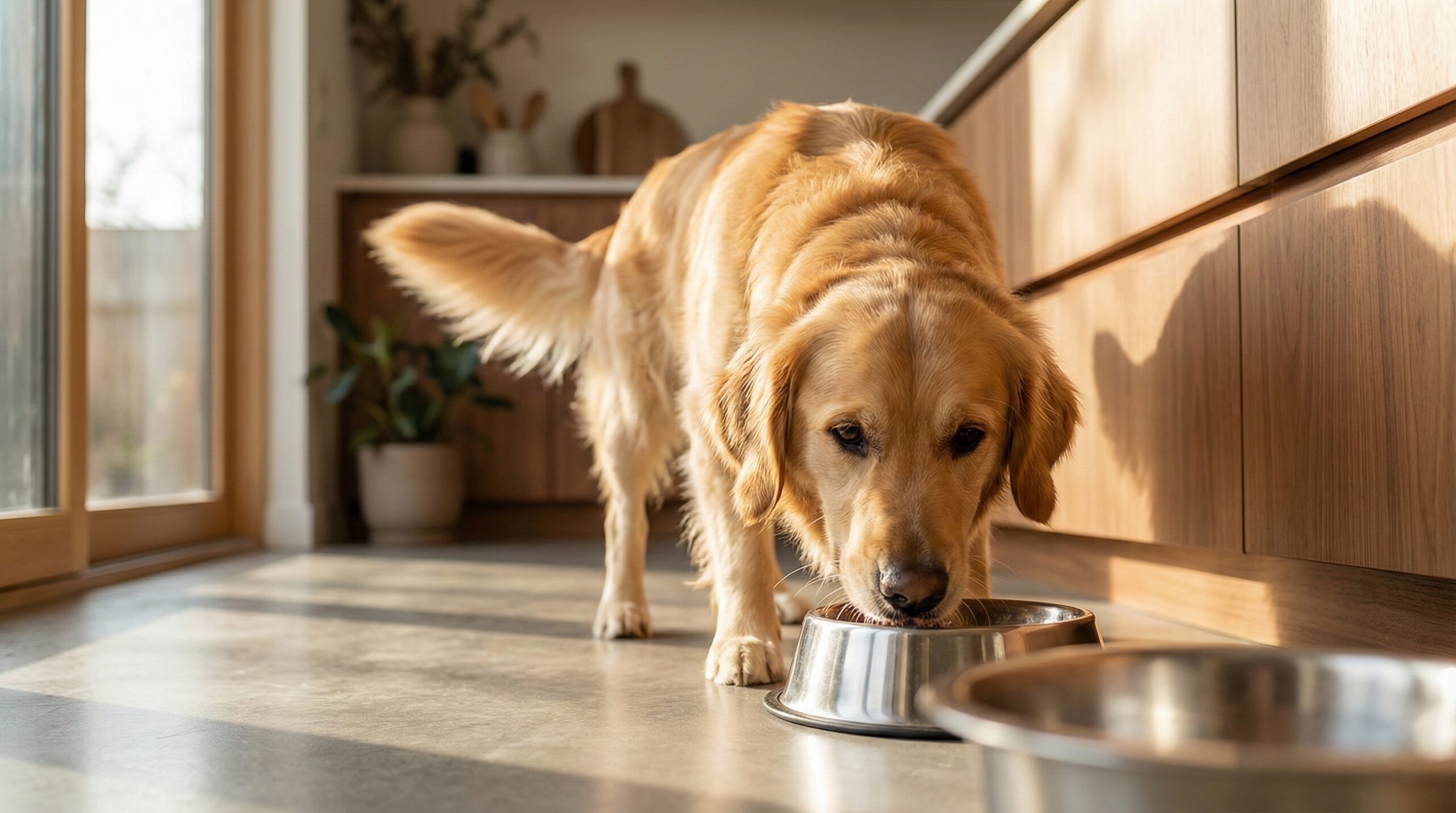
TL;DR
The “best” food for an older dog usually comes down to three things: keeping them at a healthy body condition, choosing a format they can comfortably eat, and avoiding ingredients/nutrient levels that clash with medical issues. Since “senior” isn’t a regulated nutrient standard, we’d rather see a clearly labeled complete-and-balanced diet and a plan you can adjust with your vet as needs change.
Top Recommended Senior Dog Food
| Product | Best For | Price | Pros/Cons | Visit |
|---|---|---|---|---|
| Ollie Turkey recipe | Soft, fresh meals for picky seniors | $60 – $150 | Fresh texture can boost appetite; subscription cost can add up | Visit Ollie |
| Nom Nom Turkey Fare | Older dogs who do better on fresh, portioned meals | $70 – $170 | Easy-to-chew fresh food; not ideal if you need a budget kibble | Visit Nom |
| Spot & Tango UnKibble (Fresh Dry™ dog food) | Kibble-like feeding with a “fresh-dry” style | $50 – $140 | Convenient dry format for daily bowls; still pricier than many traditional kibbles | Visit Spot |
Top Pick: Best Overall Senior Dog Food
Turkey recipe
Best for: seniors who are slowing down and getting choosier at mealtimes — especially if your dog (say, a 35-lb older mixed breed) is leaving kibble behind but still needs a complete daily diet.
The Good
- Fresh-food approach can be a practical way to support appetite in older dogs who “go on strike” with dry kibble.
- Soft texture can be easier for dogs with worn teeth, mild dental disease, or reduced chewing drive.
- Helpful for portion control if you’re trying to keep a senior at an ideal body condition as activity drops.
- Subscription delivery is convenient if you want consistent feeding without repeated store runs.
The Bad
- Fresh diets are typically more expensive per day than standard kibble, especially for medium-to-large dogs.
- You’ll need fridge/freezer space and some routine around storage/handling compared with a bag of dry food.
Our Take: For many older dogs with no major medical contraindications, a fresh, soft-texture option like this is a strong “best overall” fit because it can make consistent eating easier — and consistency is often half the battle with seniors.
Turkey Fare
Best for: an older dog who needs a soft, highly palatable meal plan — for example, a small senior who eats better with warmed food and smaller, measured portions.
The Good
- Fresh meals can be easier to chew than crunchy kibble for seniors with dental sensitivity.
- Portioned feeding can make it simpler to manage calories when weight creeps up in retirement years.
- Multiple recipe options can help you rotate carefully if your dog gets bored (while still keeping changes controlled).
- Can be a useful option for seniors that are eating less, since smell/texture often drives better interest.
The Bad
- Not the best fit if your priority is a lower-cost, shelf-stable diet you can buy anywhere.
- Fresh food requires more careful storage and handling than dry food.
Our Take: If your senior does better with soft food and you’re willing to pay for the convenience, this is a solid pick to consider — just keep portions honest so the “treat factor” doesn’t turn into weight gain.
UnKibble (Fresh Dry™ dog food)
Best for: seniors who still prefer a dry-bowl routine (easy scooping, less mess) — like an older dog who grazes slowly through the day but can’t tolerate frequent wet-food changes.
The Good
- Dry format can be simpler for day-to-day feeding and storage than refrigerated meals.
- May work well for older dogs whose stomachs do best with consistent routines and fewer “rich” food swaps.
- Brand offers multiple recipe options, which can help you find a better match for appetite and tolerance.
- Good middle ground for owners who want something different from classic kibble without fully switching to fresh.
The Bad
- Typically costs more than conventional senior kibble, which matters for large-breed seniors eating big portions.
- Still a dry texture — not ideal if your dog has significant dental pain or refuses crunchy pieces.
Our Take: This is the pick we’d reach for when you want the convenience of dry food but your senior seems to do better with a more “fresh-leaning” approach — especially in multi-dog homes where easy feeding matters.
Other Notable Alternatives Worth Considering
- Open Farm — This senior dry option shows up in retailer category listings; we haven’t independently verified specific performance for this exact formula, but it may be worth a closer look if you want a senior-labeled kibble from a widely carried brand.
- Purina Pro Plan — The Sensitive Skin and Stomach line is commonly considered by owners shopping for digestive tolerance; it’s listed in this category based on retailer data, but we haven’t independently verified results for your individual senior dog’s needs.
FAQ
Does my dog actually need a “senior” dog food?
Not always. “Senior” isn’t a regulated nutrient profile, so the label alone doesn’t guarantee it’s better for older dogs. What matters more is that the food is labeled complete and balanced (AAFCO standards) and that calories and nutrient profile match your dog’s body condition, activity level, and any health issues.
What should I look for on the label when choosing food for an older dog?
Start with a clear “complete and balanced” nutritional adequacy statement (AAFCO), then check calories (kcal per cup/can/pack), primary protein sources, and fat level. If your dog has a medical condition (kidney disease, pancreatitis history, diabetes, heart disease), loop in your vet before you switch foods. WSAVA also has helpful, practical guidance on how to evaluate pet food companies and quality control: WSAVA Global Nutrition Guidelines.
Should senior dogs eat more or less protein?
Many older dogs still need the same — or even higher — amounts of highly digestible, quality protein to support lean muscle, unless your vet has prescribed a restricted-protein approach for a specific disease. If you’re unsure, your veterinarian (and, for complex cases, a veterinary nutritionist) can help interpret what your dog needs based on body condition and labs.
How do I pick the right calorie level for my senior dog?
Use calorie info on the package and aim to keep your dog at an ideal body condition (ribs easily felt with a light fat cover, visible waist when viewed from above). Seniors often need fewer calories as activity drops, but portion changes should be gradual — weigh your dog regularly and adjust in small steps every couple of weeks.
Is wet or fresh food better for senior dogs than kibble?
Either can work if it’s complete and balanced. Wet/fresh can be easier to chew and may help picky eaters, while dry can be easier to store and measure. The “best” format is the one your senior can comfortably eat and maintain a healthy weight on.
Do joint-support dog foods really help older dogs?
Some can, but results depend on whether the joint-support ingredients are actually included in meaningful amounts (and whether your dog’s overall plan includes weight management, appropriate activity, and vet-directed pain control when needed). Treat joint claims as a “nice to have,” not the main reason to pick a diet.
When should I talk to a vet before changing my senior dog’s food?
Talk to your vet before switching if your dog has diagnosed kidney disease, pancreatitis, diabetes, heart disease, unexplained weight loss, persistent vomiting/diarrhea, or major appetite changes. For safety updates and recalls, you can also keep an eye on official alerts from the FDA’s pet food resource page.
Looking for these on Amazon? Browse senior dog food on Amazon →
Bottom Line
For most older dogs, our top pick is Ollie’s Turkey recipe because the fresh, soft format can make consistent eating easier while you fine-tune calories to keep a healthy body condition. Just remember: “senior” on the label matters less than complete-and-balanced nutrition and a profile that fits your dog’s weight, chewing ability, and medical history. When health issues are in the mix, your vet should guide the diet choice.
Affiliate disclosure: Some of the links in this article are affiliate links, meaning we earn a small commission if you make a purchase.