

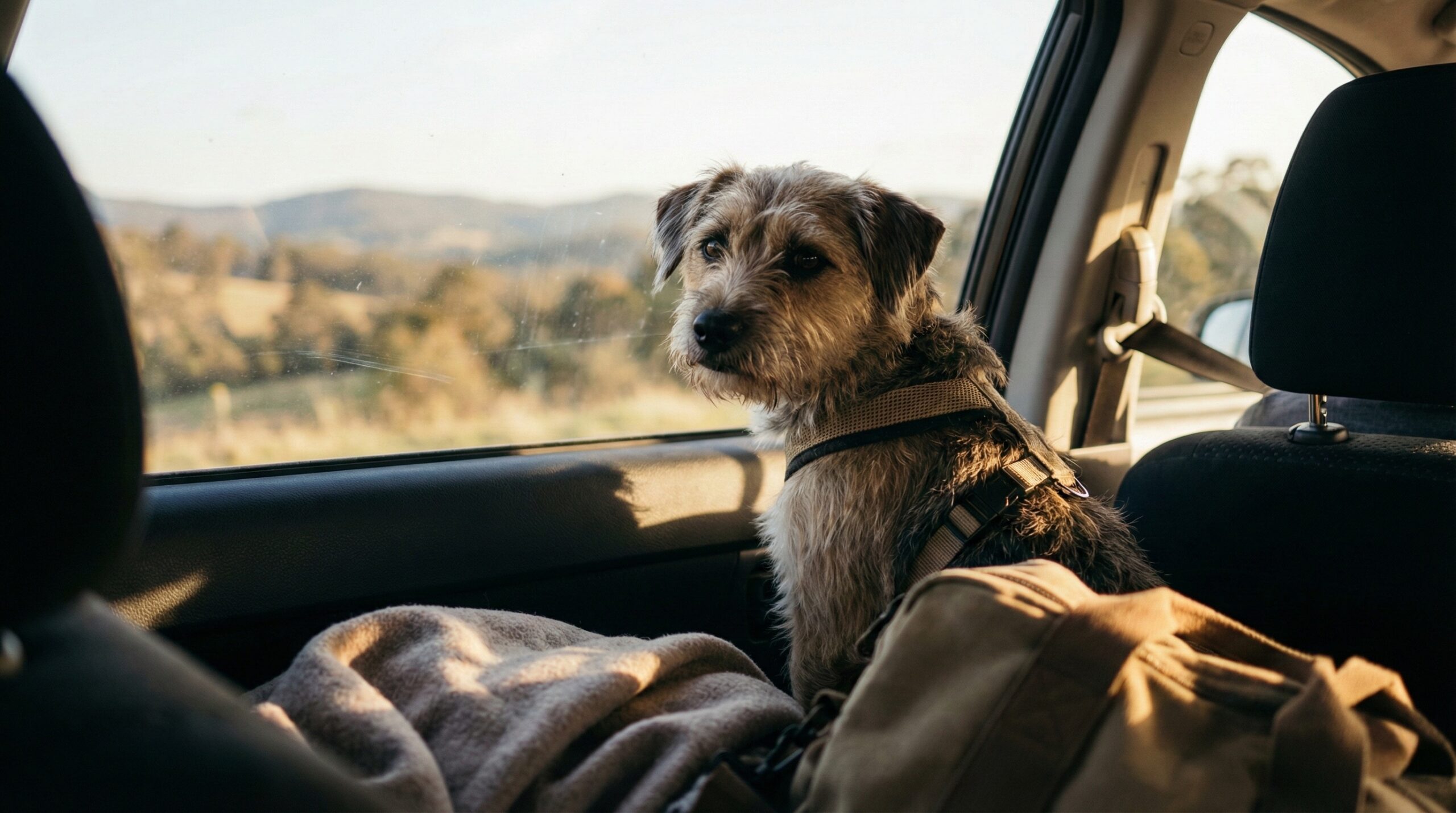
TL;DR
If your trips are a mix of flying and driving — and you want a more structured carrier with crash-test evidence for car travel — Sleepypod Air is usually the better fit. If your main stressor is fitting under airline seats across different aircraft types (and you want a carrier that’s easier to wipe down after travel messes), SturdiBag Pro tends to be the more forgiving pick.
Top Recommended Gear & Accessories
| Product | Best For | Price | Pros/Cons | Visit |
|---|---|---|---|---|
| Sleepypod Air in-Cabin Pet Carrier, Jet Black | Mixed car + air travel with a structured carrier | $175 – $225 | Crash-test evidence for car travel; less “give” for tight under-seat spaces | Visit Amazon |
| Sleepypod Air | Buying direct for official specs and warranty details | $200 – $230 | Authoritative product info from the brand; still a structured shape that may not compress as much | Visit Sleepypod |
Sleepypod Air in-Cabin Pet Carrier, Jet Black
Best for: Pet parents who want a sturdier-feeling carrier for frequent travel, with top access that can make loading calmer — plus crash-test evidence for car rides.
The Good
- More structured build than many soft-sided carriers, which can feel stable when carrying and setting it down.
- Top-opening access can be easier for anxious pets than “shoving them through” a small end door.
- Owner feedback often mentions comfort for longer travel days.
- Pockets/storage can be genuinely useful for travel paperwork, treats, wipes, and a small leash.
- Called out by reviewers and consumer testing coverage for having independent crash-test certification context for vehicle travel (important if you’ll be in cars a lot).
The Bad
- Loading can be awkward solo — some owners say you end up needing extra hands to keep the opening accessible.
- The structured shape can be less forgiving under tighter airline seats versus more compressible carriers.
- If your pet is tall/leggy, interior “narrowness” can matter as much as the listed length — measure carefully.
4.1/5 across 357 Trustpilot reviews (source)
“I had a broken clasp and I was sent a replacement at no charge very quickly. Thanks!…” — Trustpilot review
Price: $200 – $230
“Great carrier, but you need four hands. Two hands holding both sides up and two hands putting the cat into the carrier.” — verified buyer, 3 stars
Our Take: If your primary use case is “airport + car” (or any meaningful amount of driving to and from your destination), Sleepypod Air earns its place because structure and safety evidence matter more when you’re also dealing with sudden stops and seat-belt securement decisions. For flying-only households who frequently switch airlines and aircraft, the same structure that feels premium can be the thing that makes under-seat fit harder — so we’d measure and reality-check your route before committing.
Sleepypod Air
Best for: Shoppers who want the official brand specs and warranty/support details before buying (especially if you’re comparing dimensions and compatibility for a specific airline route).
The Good
- Direct-from-brand listing is the cleanest place to confirm current dimensions, materials, and care instructions.
- Helpful for verifying compatibility guidance and any updates that may not be reflected in marketplace listings.
- Good option if you care about warranty clarity and support channels.
- The same structured design benefits apply (stable shape, premium feel) if that’s what you want for travel days.
The Bad
- As with the Amazon-listed version, structured carriers can be less compressible under certain airline seats.
- You’ll still need to do your own under-seat homework — airline dimension rules don’t guarantee real-world clearance.
Our Take: For most buyers, the “which should I click?” question comes down to confidence: buying direct can be the simplest way to confirm the exact specs you’re planning around, while the product experience is fundamentally the same Sleepypod Air concept (structured, top-access friendly, designed for serious travel). If you’re the type who prints airline pet policies and measures twice, the brand page is a useful reference point before you purchase.
Airline under-seat fit: why it’s unpredictable (and how to choose anyway)
Under-seat fit is the #1 reason otherwise-great pet carriers fail in the real world. Even if a carrier matches an airline’s posted dimensions, clearance can change by:
- Aircraft type and seat pitch
- Seat location (bulkhead vs non-bulkhead, window vs aisle)
- Under-seat hardware (power boxes, life-vest containers, supports)
- How strict a gate agent is about visible compression
Government guidance underscores the core reality: airlines set the rules, and you need to follow the current carrier requirements for your specific flight. Start with the U.S. Department of Transportation guidance on traveling with animals, then cross-check your airline’s pet-in-cabin page for dimensions, required ventilation, and whether “soft-sided and compressible” carriers get any leeway.
A practical decision rule:
- If you fly multiple airlines or often end up on last-minute aircraft swaps: prioritize a carrier that can visibly compress without collapsing onto your pet.
- If you fly one consistent route and aircraft type: you can dimension-match more strictly and prioritize structure, access, and carry comfort.
Checklist before you buy (or before you fly):
- Measure your pet’s length (nose to base of tail), standing height, and turn-around room needs — not just weight.
- Compare those to interior dimensions when available (exterior dimensions can be misleading).
- If you have a recent flight, note the under-seat space you actually had. Seat maps help, but they’re not perfect.
- Plan for ventilation: when the carrier is under-seat, some mesh panels can end up facing obstructions — leave breathing room.
Entry style and handling: top access vs side access for anxious pets
Entry style sounds like a small feature until you’re trying to load a stressed cat at 5 a.m. in a crowded terminal. Consumer testing coverage has specifically highlighted Sleepypod Air’s long, zippered top opening as a real advantage for pets who refuse a small end door.
Why top access can help:
- You can lower your pet down into the carrier instead of pushing forward through a narrow opening.
- It can reduce “wrestling,” which is often what escalates fear in cats and smaller dogs.
- It may reduce escape attempts during loading because your hands can control the opening from above.
Simple training protocol we like (start well before travel day):
- Leave the carrier out at home with the door open; toss treats in and let your pet explore.
- Do short “close, treat, open” sessions to normalize zippers and confinement.
- Practice brief carries around the house so the first “ride” isn’t TSA day.
Security line reality check: Some airports require you to remove your pet from the carrier at screening. A carrier design that makes quick, controlled access easier can lower the odds of a panicked scramble. If your pet is especially fearful or has a bite history, talk with your vet ahead of time about safer handling and whether pre-travel medication is appropriate.
Cleaning and maintenance: the day-after-travel test
Most buyers don’t think about cleaning until the first accident — drool, urine, vomit, or stress diarrhea. In consumer coverage comparing premium travel carriers, SturdiBag Pro is frequently noted as being easier to wipe down than many fabric-heavy options, but it’s also described as involving some disassembly/reassembly (internal rods/base hardware) for deeper cleaning.
For Sleepypod Air specifically, plan around a more “structured shell” approach. That can be a plus for stability, but it also means you should check care instructions before purchase and think through how you’ll handle a mess mid-trip.
What to verify on any carrier’s listing (brand or marketplace):
- Removable base/liner: Can you take it out fast? Can you buy a spare?
- Washability: Machine-washable components vs spot-clean only (and drying time).
- Zipper durability: Travel zippers take a beating — especially if your pet paws at them.
- Interior corners and seams: These are where odors linger if they’re hard to access.
Low-effort routine for frequent flyers: Wipe down after every trip, air it out fully at home, and do a deeper clean monthly (or sooner if there’s an accident). If your pet is prone to nausea or anxiety accidents, pack a thin, washable “sacrificial” towel/liner you can swap in a restroom.
Car travel safety: structure, securement, and what “crash-tested” really means
If your travel includes driving (to the airport, road trips, rideshares), safety becomes a different conversation. Soft carriers vary wildly in how they behave in a collision, so it’s smart to rely only on independent testing and clear certification standards rather than assumptions.
Sleepypod Air is often cited in consumer testing coverage because it has independent crash-test certification context via the Center for Pet Safety. You can read more about the certification program on the Center for Pet Safety website. This doesn’t mean “any use in any car setup is automatically safe”—you still need to follow the manufacturer’s directions for seat-belt routing, placement, and appropriate pet fit.
Decision points if you’ll be in a car often:
- Prioritize independent testing and clear securement instructions.
- Prefer a stable base so your pet isn’t sliding during turns and braking.
- Ventilation still matters: carriers can overheat quickly in warm cars, especially in direct sun.
Comfort guidance that applies to both air and car: Use familiar bedding (thin enough not to steal interior height) and do a few practice rides so travel isn’t a once-a-year shock. For pets with respiratory issues, heart disease, or high anxiety, check in with your vet well before your trip to talk through the safest plan.
What to check on the label (and in real life) before you decide
Between “Sleepypod vs Sturdibag for travel,” most disappointments come from mismatched expectations — especially around fit and day-to-day handling. Here’s what we recommend checking before you click “buy.”
- Interior geometry, not just the posted dimensions: A carrier can be long enough but still feel too narrow for a tall/leggy pet to turn around comfortably.
- How the carrier behaves when compressed: Some designs compress by folding into the pet’s space; others compress more at the top while leaving the base stable.
- Your own carrying comfort: If you’ll be walking long terminals, strap comfort and balance matter. A carrier that “feels sturdy” can also feel heavier or bulkier.
- Loading workflow: If you usually travel solo, prioritize the entry style you can manage without a second person.
- Airline rule compliance: Always check your airline’s current page for carrier limits and in-cabin pet requirements before you fly, and remember enforcement can vary.
If you want a third-party perspective that talks through practical differences between premium carriers (including handling and washability), see Wirecutter’s travel carrier guide.
FAQ
Which is more likely to fit under an airline seat?
It depends on the aircraft and the specific under-seat space. In general, more flexible carriers tend to have an easier time “making it work” under tight seats, while more structured carriers depend more on exact dimension matching. Start by confirming your airline’s current carrier rules and reviewing the U.S. Department of Transportation guidance on traveling with animals, then measure your pet and your likely under-seat space.
Is Sleepypod Air actually safer for car travel?
It’s commonly referenced for having independent crash-test certification context, which is a meaningful differentiator versus soft carriers without any third-party testing. Still, “safer” depends on correct use: follow the manufacturer’s securement instructions and confirm your pet fits appropriately in the carrier. For background on certification programs, see the Center for Pet Safety website.
Which carrier is better for anxious cats or dogs?
Many anxious pets load more calmly with top access, because you can lower them in rather than push them through a small opening. Owner feedback also suggests that a stable, predictable carrier shape can reduce some pets’ stress once they’re inside. That said, practice sessions at home (treats, short closures, brief carries) often matter as much as the carrier choice itself, and your vet can help if anxiety is severe.
What if my pet is tall or leggy but under the weight limit?
Don’t rely on weight limits alone. Pay attention to interior height and width, and whether your pet can stand up, turn around, and lie down comfortably. With travel carriers, “narrowness” can be the deal-breaker even when the listed length looks fine — so measure your pet’s standing height and shoulder width and compare those to the carrier’s usable interior space.
How do I reduce the chance my carrier gets rejected at the gate?
Pick a carrier that can comply with the airline’s published dimensions and (if soft-sided) can visibly compress without collapsing onto your pet. Arrive early, keep your pet calm (less frantic shifting makes the carrier look smaller), and ensure ventilation panels won’t be blocked when stowed under-seat. Also, re-check policies close to travel day — airlines can change requirements.
How should I set up the carrier for a long travel day?
Use a thin, familiar bedding layer that won’t steal precious interior height, and pack a spare liner or towel in case of accidents. Add a small item that smells like home, but avoid anything bulky that reduces turn-around room. If your pet is prone to motion sickness or stress diarrhea, ask your vet ahead of time about a travel plan.
Bottom Line
Sleepypod Air is the stronger pick when you want a structured carrier with top access and you care about crash-test evidence for car travel as part of your itinerary. If your top priority is under-seat flexibility across varied flights — and easier wipe-down cleaning — SturdiBag Pro is often the better match, but the “best” answer still comes down to your pet’s body shape and the planes you actually fly on.
Affiliate disclosure: Some of the links in this article are affiliate links, meaning we earn a small commission if you make a purchase.