

TL;DR
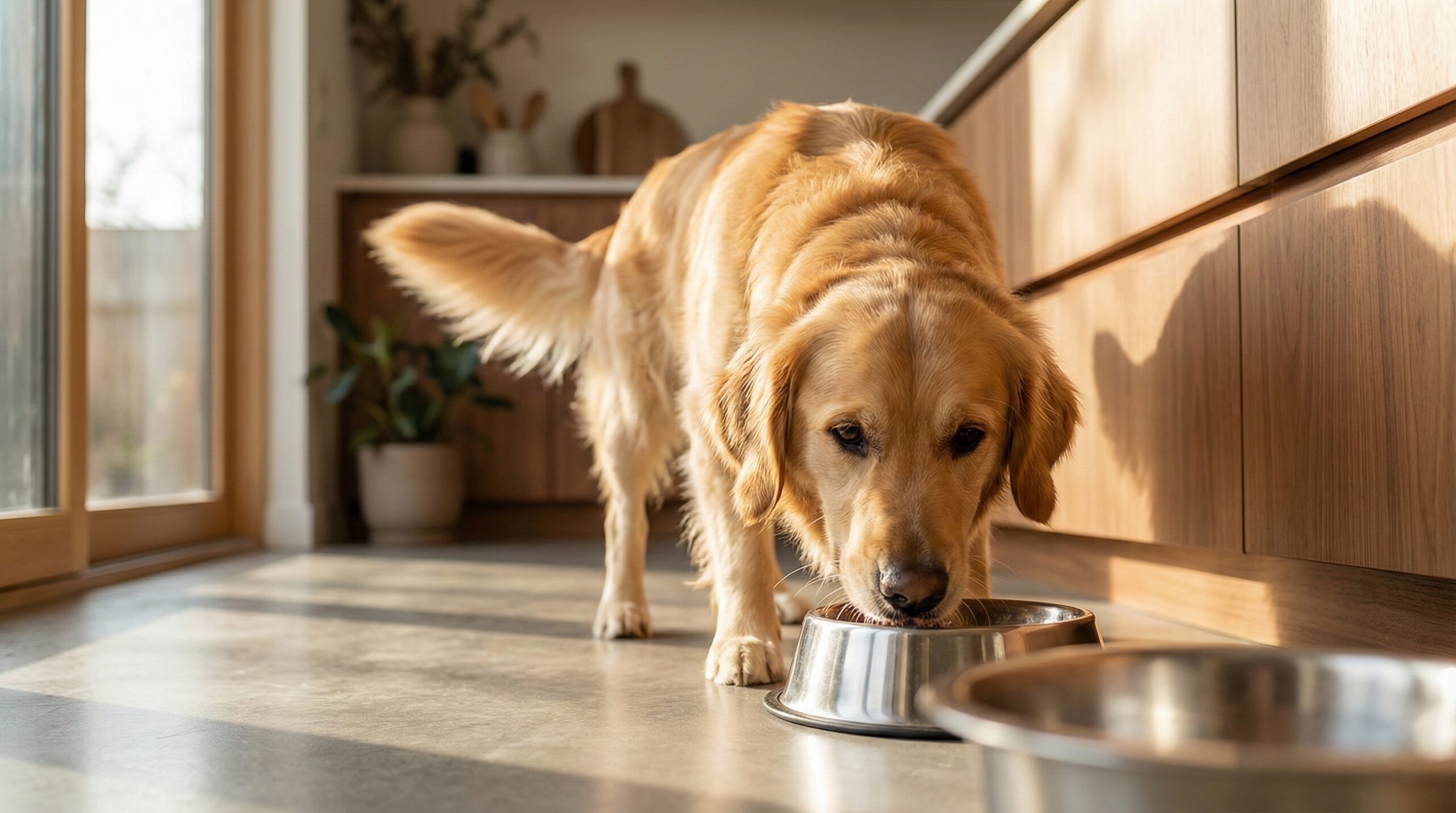
If your dog gets chin acne, facial redness, or irritation around mealtimes, your bowl choice can matter more than you’d think. We generally recommend a smooth, dishwasher-safe stainless steel bowl (or stainless insert in a feeder) because non-porous materials plus consistent washing help reduce grime and bacteria that may worsen skin flare-ups. If irritation continues even after switching bowls and tightening hygiene, talk with your vet to rule out broader allergies and discuss whether a ceramic alternative makes sense.
Top Recommended Dog Bowls
| Product | Best For | Price | Pros/Cons | Visit |
|---|---|---|---|---|
| Neater Feeder Express Elevated Dog Bowls for Small Breeds | Small dogs needing an elevated, easy-clean setup | $30 – $40 | Removable stainless bowls help with hygiene; sizing can run small | Visit Amazon |
| WeatherTech Double High Pet Bowl | Comparing a premium feeding station concept | — | Elevated-station style may suit comfort needs; allergy-material details aren’t confirmed here | Visit WeatherTech |
Top Pick: Best Overall Dog Bowls
Neater Feeder Express Elevated Dog Bowls for Small Breeds
Best for: Small breeds (like Cavaliers, Yorkies, and toy mixes) who do better with an elevated bowl setup — especially in homes where wet food, water splashes, and “messy drinking” can keep the chin area damp.
The Good
- Removable stainless steel bowls make it easier to stick to an allergy-conscious cleaning routine (wash after meals for food bowls; at least daily for water bowls).
- Helps contain spills, which can matter for dogs prone to chin irritation — less leftover moisture around the feeding station means less grime getting reintroduced.
- Anti-slip feet for stability so the bowls don’t skate around and rub the muzzle and chin more than necessary.
- Elevated position can be more comfortable for some dogs during meals, which may reduce face smearing in the bowl (a common “chin stays wet” problem for some small dogs).
The Bad
- Sizing can run small, so you’ll want to double-check the size guidance if your “small breed” is closer to the upper end (for example, a stockier 25-lb dog).
- Fit/compatibility issues are mentioned in owner feedback, which can be frustrating if you’re trying to standardize bowls for hygiene.
- You still need to clean the feeder itself (not just the stainless inserts) since residue can build up where water/food splashes land.
4.5/5 across 13,619 Amazon reviews
“This product does exactly what it advertised. I’ve repeatedly checked to see if water is collecting in the basin below and I see a good bit. This product is far more light weight than I expected, however it has anti-slip footings. The stainless steel bowls are easy to remove and clean. I bought the smallest size for my cavalier and it’s the perfect size for…” — Verified Amazon buyer (5 stars)
“Very small. I have chihuahuas and its way to small” — Verified Amazon buyer (3 stars)
Typical price: $30 – $40
“The stainless steel bowls are easy to remove and clean. I bought the smallest size for my cavalier and it’s the perfect size for him.” — verified buyer, 5 stars
Our Take: For an allergy-conscious household with a small dog, this is a practical “system” pick because the removable stainless bowls make consistent washing easier — and consistency is often what helps most.
WeatherTech Double High Pet Bowl
Best for: Owners who want to compare an elevated, double-bowl station style for day-to-day convenience — especially if you’re trying to keep food and water in one tidy place for a medium-to-large dog who eats standing.
The Good
- Elevated-feeding station concept can be helpful for comfort in some dogs, particularly seniors or dogs that dislike bending low.
- Two-bowl format makes it easy to keep a “food bowl schedule” separate from a “water bowl schedule,” which is useful when you’re tightening hygiene due to skin issues.
- Good candidate for structured routines (same place, same setup), which can reduce the odds you’ll forget to swap and wash bowls.
The Bad
- Material details relevant to allergies aren’t confirmed here, so we can’t say from the provided information what surfaces actually contact food/water.
- Brand-level owner sentiment signal is weak based on publicly available aggregated feedback, so we’d go in with realistic expectations.
Our Take: Consider this only if you’re specifically shopping the “elevated station” style and can verify the bowl material and cleanability before buying — for allergy-prone dogs, those specifics matter.
FAQ
What bowl material is best for dogs with allergies?
For many allergy-prone dogs, a smooth, food-grade stainless steel bowl is the safest starting point because it’s non-porous and typically easy to sanitize thoroughly. If you suspect a contact reaction to metal (uncommon, but possible), talk with your vet and consider a lead-free, food-safe ceramic bowl with an intact glaze (and replace it if it chips or cracks). For background on allergy/irritant skin reactions, see Merck Veterinary Manual.
Can plastic bowls cause chin acne or dermatitis in dogs?
Plastic is a common suspect when dogs develop chin acne, redness, or recurring irritation around the mouth because it can scratch and hold onto residue and bacteria over time. Evidence and veterinary references on contact dermatitis suggest that irritants plus skin contact can contribute to flare-ups — switching to stainless or intact, lead-free ceramic and improving washing habits is a reasonable first step.
How often should I wash my dog’s food and water bowls for allergies?
Wash food bowls after every meal and wash water bowls at least daily, using hot water and a grease-cutting dish soap; a dishwasher cycle can be even better when the bowl is dishwasher-safe. Also wash and fully dry any removable rings, inserts, or stands, since trapped moisture and residue can build up where you don’t see it.
Are stainless steel dog bowls always safe for allergy-prone dogs?
Usually, yes — stainless steel is widely used because it’s non-porous and cleans well, which can help reduce bacterial buildup that may worsen muzzle irritation. That said, if your dog’s symptoms persist even after switching from plastic and cleaning diligently, your vet may recommend trialing another material (like verified lead-free ceramic) while also looking for other allergy triggers.
Do elevated bowls help with allergy symptoms?
Elevated bowls don’t treat allergies directly, but they can reduce mess and keep some dogs from pushing food and water around, which may help keep the chin area drier. If you choose an elevated system, prioritize removable bowls that are easy to sanitize, and remember to clean the stand surfaces too.
What signs mean I should replace my dog’s bowl?
Replace a bowl if it’s deeply scratched, pitted, rusting, or holding odor even after thorough washing. For ceramic, stop using it immediately if you see chips, cracks, or crazing (fine hairline cracks), because damaged glaze can be harder to sanitize and may trap residue.
Could my dog’s “bowl allergy” actually be something else?
Yes. Many dogs with facial irritation have broader issues like environmental allergies, food sensitivities, yeast or bacterial skin infections, or acne that worsens with moisture and bacteria. If a bowl swap and stricter hygiene don’t help, it’s worth scheduling a vet visit; organizations like the AVMA are a solid starting point for general pet health guidance, but your vet can tailor next steps to your dog.
Bottom Line
For most dogs with allergies or recurring chin irritation, the best “first move” is a non-porous bowl you can truly keep clean — typically stainless steel — plus a stricter wash-and-dry routine. Our top pick, the Neater Feeder Express Elevated Dog Bowls for Small Breeds, stands out because its removable stainless bowls make daily cleaning easier while also helping contain mess. If symptoms continue despite a bowl change, your vet can help determine whether you’re dealing with a contact issue or a larger allergy/skin problem.
Affiliate disclosure: Some of the links in this article are affiliate links, meaning we earn a small commission if you make a purchase.