

TL;DR
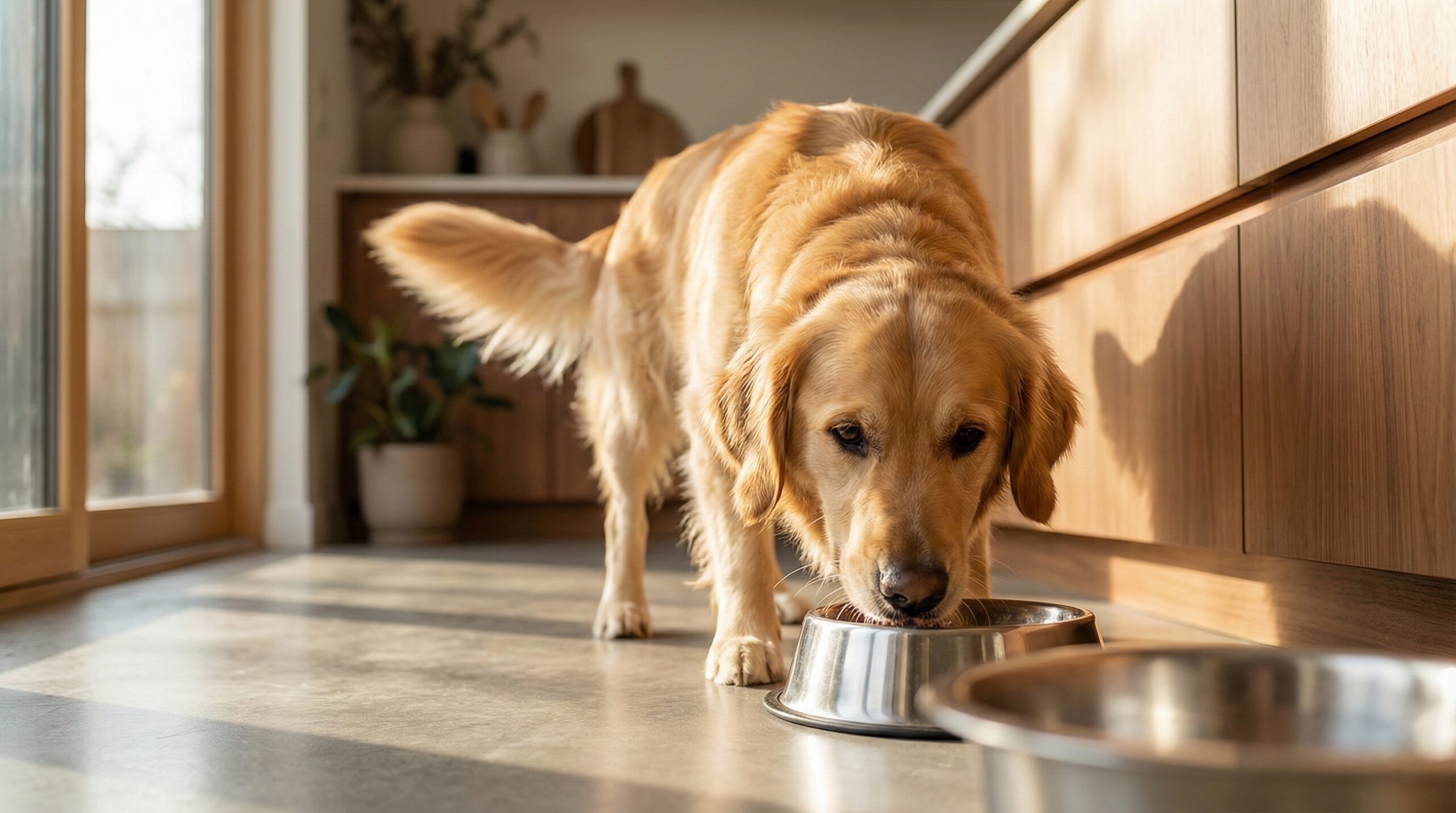
Weight management for dogs is a two-part challenge: controlling how much they eat and how fast they eat it. For dogs that inhale their kibble in seconds, a slow-feeder bowl is essential to prevent digestive upset and promote a feeling of fullness. For owners needing precise caloric restriction, automatic feeders provide the consistency that manual scooping often lacks. Our top pick for general slowing is the Outward Hound Fun Feeder due to its variety of maze depths, while the PetSafe Healthy Pet Simply Feed stands out for its unmatched portion accuracy. For multi-pet households where one dog tends to steal the other’s diet food, the SureFeed Microchip feeder is the gold standard. Choosing the right tool depends heavily on your dog’s snout shape, breed size, and whether their weight issue stems from “scarfing” or over-portioning.
Managing an overweight dog is one of the most common challenges I see in my work. After years of testing various feeding solutions with rescue dogs—many of whom arrived with “food insecurity” and a tendency to bolt their meals—I’ve learned that the container matters almost as much as the kibble inside. A dog that eats too fast doesn’t give their brain time to register satiety, leading to constant begging and “counter surfing.” By slowing down the physical act of eating, we can significantly improve their digestive health and support a successful weight loss journey.
In this guide, I’ve broken down the most effective bowls available today. I’ve focused on durability, ease of cleaning, and how different designs cater to various breed types. Whether you have a flat-faced pug that needs a shallow maze or a large Labrador that can flip most plastic bowls, there is a solution here for you. We will also dive into what the community on r/dogadvice and other forums say about the long-term reliability of these products.
Why Your Dog’s Bowl Choice Impacts Their Weight
The Science of Satiety and Speed
When your dog eats their entire meal in thirty seconds, their body doesn’t have time to signal to the brain that they are full. This is a biological leftover from their ancestors, but in a domestic setting, it leads to weight gain. Slow-feeder bowls, often called maze bowls, force the dog to use their tongue and nose to navigate around obstacles to reach the kibble. This process can extend a meal from a few seconds to five or ten minutes. This extended duration helps the dog feel more satisfied with a smaller portion, which is the cornerstone of any pet food and nutrition plan designed for weight loss.
Preventing Bloat and Regurgitation
Overweight dogs are often “scarfers,” and rapid eating comes with risks beyond just weight gain. Gastric Dilatation-Volvulus (GDV), or bloat, is a life-threatening condition where the stomach fills with air and twists. While a bowl alone won’t eliminate the risk, slowing down the intake of air during meals is a major preventative step. Additionally, many dogs who eat too fast suffer from “scarf and barf”—regurgitating undigested food minutes after a meal. A proper weight management bowl eliminates this cycle, ensuring the nutrients actually reach the dog’s system properly. For owners dealing with these digestive hurdles, looking into the best elevated bowls for sensitive stomachs can also provide additional comfort, though they should be used cautiously with bloat-prone breeds.
Top-Rated Weight Management Bowls for Dogs
| Product Name | Best For | Price Range | Pros/Cons | Visit |
|---|---|---|---|---|
| Outward Hound Fun Feeder Slo Bowl | General Weight Loss | $10 – $20 | + Many patterns- Hard to clean | |
| PetSafe Healthy Pet Simply Feed | Precision Portions | $100 – $130 | + Very accurate- Takes up space | |
| SureFeed Microchip Pet Feeder | Multi-Pet Homes | $150 – $200 | + Stops food theft- Expensive | |
| West Paw Toppl Enrichment Toy | Wet/Raw Diets | $20 – $30 | + Very durable- Small capacity | |
| Jasgood Slow Feeder | large-breed “scarfers” on a budget | — | The sheer size and weight are perfect for… / The rubber feet can sometimes pop out… |
Outward Hound Fun Feeder Slo Bowl
This is arguably the most recognizable slow feeder on the market. It comes in various maze designs, from the “Purple Flower” to the “Orange Spiral,” each offering a different difficulty level. In my experience, the deep ridges are exceptionally effective at slowing down medium to large dogs. Your dog will have to work for every piece of kibble, extending mealtime significantly.
The Good
- Durable, food-safe plastic that stands up to enthusiastic eaters.
- Non-slip base prevents the bowl from sliding across the kitchen floor.
- Dishwasher safe (top rack), which is vital given the complex maze patterns.
The Bad
- The deep crevices can be difficult to clean by hand; peanut butter or wet food remnants may hide in the corners.
- Not ideal for flat-faced breeds like Pugs or Bulldogs, who may struggle to reach the bottom and get frustrated.
Our Take: Best for high-energy dogs who “scarf” their food and need a significant challenge to slow down. Skip if your dog has a very short snout or if you exclusively feed wet food without a dishwasher.
PetSafe Healthy Pet Simply Feed
When weight management requires strict portion control, this automatic feeder is a powerhouse. Unlike gravity feeders that just dump food, the PetSafe unit uses a conveyor system to dispense precise amounts. If your dog needs exactly 1/2 cup three times a day to hit their weight goals, this machine removes human error from the equation. It also features a “Slow Feed” mode that dispenses the meal over a 15-minute period to prevent bolting.
The Good
- Exceptional accuracy in portion sizes, which is critical for medical weight loss.
- The “Slow Feed” setting is a fantastic hybrid of portion control and speed management.
- Large hopper capacity means you aren’t refilling it every two days.
The Bad
- It is a bulky unit that requires a permanent spot in your kitchen.
- The initial setup and programming can be a bit tedious for those who aren’t tech-savvy.
Our Take: Best for owners who struggle with over-portioning and dogs that need to eat multiple small meals throughout the day. Skip if your dog is terrified of mechanical noises or if you have very limited floor space.
SureFeed Microchip Pet Feeder
Multi-pet households often face a specific weight management hurdle: the “food thief.” If you have one dog on a calorie-restricted diet and another on high-calorie puppy or active food, the SureFeed is your solution. It only opens for the dog with the specific microchip (or included RFID tag). This ensures that your dieting dog isn’t sneaking extra calories from their sibling’s bowl.
The Good
- Total peace of mind in multi-pet environments; it effectively “locks” the food away.
- Keeps wet food fresher longer because the lid remains closed when not in use.
- The design is sleek and modern, fitting well in most homes.
The Bad
- The price tag is significantly higher than a standard bowl.
- Some dogs take a few days to get used to the movement of the lid opening and closing.
Our Take: Best for multi-pet households where “food stealing” is sabotaging weight loss efforts. Skip if you only have one pet and don’t need restricted access.
Jasgood Slow Feeder
For owners of large breeds like Golden Retrievers or Labradors, many slow feeders feel like toys. The Jasgood model is built with a wider base and sturdier materials to prevent it from being flipped over by a frustrated dog. Its maze is challenging but not so tight that a larger tongue can’t navigate it. It’s an affordable, no-frills option that does exactly what it promises.
The Good
- The sheer size and weight are perfect for dogs that tend to be “bowl pushers.”
- The pattern is easier to clean than some of the more intricate Outward Hound designs.
- Great price point for the durability provided.
The Bad
- The rubber feet can sometimes pop out after multiple dishwasher cycles.
- If your dog is a determined chewer, they may try to nibble the plastic ridges if left alone with an empty bowl.
Our Take: Best for large-breed “scarfers” on a budget. Skip if your dog is a small breed or a dedicated plastic chewer.
West Paw Toppl Enrichment Toy
While technically an enrichment toy, the Toppl is one of my favorite tools for weight management, especially for dogs on wet or raw diets. By stuffing the food inside and potentially freezing it, you turn a 30-second meal into a 20-minute mental and physical workout. Mental stimulation actually burns calories, making this a double-win for weight loss. It’s also much easier to clean than a traditional Kong toy.
The Good
- Made from soft, durable, BPA-free material that is gentle on teeth.
- Can be interconnected (small inside large) for an even greater challenge.
- Extremely easy to clean; the wide opening is much more accessible than other stuffable toys.
The Bad
- It doesn’t hold a massive amount of dry kibble, so it’s better for small meals or wet food toppers.
- If your dog isn’t food-motivated, they might give up before finishing.
Our Take: Best for dogs on wet/raw diets or those who need mental stimulation to curb “begging” behaviors. Skip if you feed large quantities of dry kibble exclusively.
What Real Users Are Saying (Reddit Insights)
General Sentiment
Across r/dogs and r/dogadvice, the general consensus is that slow feeders are the single most effective low-cost intervention for weight management. Users frequently remark that their dogs transitioned from “wolfing down food” to actually chewing, which improved their overall demeanor after meals. There is a strong preference for silicone or high-quality plastic, as some cheaper “no-name” brands have been reported to have sharp edges that irritate a dog’s snout.
Top Complaints & Warnings
The most common frustration found on Reddit involves the “flipping” behavior. As one user noted:
“My Lab got so frustrated with his maze bowl that he just learned to flip the whole thing over and eat it off the floor. I had to switch to a heavier ceramic version.” — r/dogadvice
Another major warning involves hygiene. Users on Amazon and Reddit alike caution that if you don’t use a dishwasher, the “slime” buildup in deep-ridged bowls can lead to “chin acne” or bacterial infections in dogs. It is crucial to scrub every nook and cranny if you are hand-washing.
Budget Tips & Value Picks
For those on a tight budget, the community often recommends DIY solutions like placing a large, clean rock (too big to swallow) in the center of a standard bowl. However, for a safer and more permanent solution, the Amazon Basics Slow Feeder is frequently cited as the best “entry-level” bowl that performs almost as well as premium brands for half the price.
Buying Guide: Choosing the Right Bowl for Your Breed
When you’re browsing dog products for weight management, it’s easy to get overwhelmed. The key is to match the bowl’s geometry to your dog’s face. For more specialized needs, such as seniors who may have difficulty stooping, you might also consider how these slow feeders integrate with the Best dog bowls for senior dogs that offer better ergonomics.
Considerations for Brachycephalic (Flat-Faced) Dogs
If you have a Frenchie, Pug, or Boxer, a standard deep-maze slow feeder can be a nightmare. These dogs have short snouts and often struggle to breathe while eating. A deep maze can cause them to swallow even more air as they struggle to reach the food. Look for “shallow” slow feeders or “lick mats” that provide obstacles without requiring the dog to “dive” for their food. This ensures they get the weight-management benefits without the respiratory stress.
Material Safety: BPA-Free Plastic vs. Stainless Steel
Most slow feeders are plastic because the complex shapes are easier to mold. However, if your dog has sensitive skin or allergies, plastic can trap bacteria. Always look for BPA, PVC, and Phthalate-free options. If your dog is particularly prone to reactions, seek out Best dog bowls for dogs with allergies, which often prioritize stainless steel or ceramic. While stainless steel slow feeders are rarer and usually less “complex” in their mazes, they are the gold standard for hygiene.
Best Dog Bowls by Segment
Best for Small Breeds
Small dogs often find large maze bowls intimidating or impossible to navigate. The Best dog bowls for small breeds are typically smaller in diameter with narrower ridges. The “Mini” versions of the Outward Hound feeders are specifically scaled for these tiny mouths, ensuring they aren’t overwhelmed by the task.
Best for Multi-Pet Households
As mentioned earlier, the SureFeed Microchip feeder is the clear winner here. Weight management is impossible if your dog is “raiding” other bowls. This technology is the most reliable way to ensure a calorie-restricted diet actually stays restricted.
Best for Travel
If you take your dog on the road, look for Slow Feeder Dog Bowl Inserts. These are silicone suction-cup mazes that you can stick into any standard bowl. They are lightweight, pack flat, and turn any hotel-room bowl into a weight-management tool instantly.
Frequently Asked Questions
Can a slow feeder bowl really help my dog lose weight?
Yes, but indirectly. A slow feeder bowl like the Outward Hound Fun Feeder prevents “scarfing,” which allows the dog’s brain to register satiety. When a dog feels fuller, they are less likely to beg for scraps later. However, for actual weight loss, you must also ensure you are using a precise measuring cup or an automatic unit like the PetSafe Healthy Pet Simply Feed to control total caloric intake.
Are plastic slow feeders safe for dogs with allergies?
It depends on the quality of the plastic and your dog’s specific sensitivity. Many plastic bowls can develop micro-scratches that harbor bacteria, leading to canine acne. If your dog has known allergies, look for BPA-free, food-grade plastic, or consider a stainless steel alternative. For highly sensitive dogs, check our guide on the best bowls for dogs with allergies for safer material options.
How do I clean a bowl with complex maze patterns?
The most efficient way is a dishwasher on the top rack. If hand-washing, use a stiff-bristled bottle brush to reach into the deep crevices of bowls like the Jasgood Slow Feeder. Soaking the bowl in warm, soapy water for ten minutes before scrubbing helps loosen dried-on food and prevent mold growth, which is a common complaint among users of intricate feeders.
What is the best weight management bowl for a French Bulldog?
Flat-faced breeds need shallow mazes. A deep maze can cause them to swallow air or get their snout stuck. The West Paw Toppl is a great alternative because it has a wide opening that allows them to reach the food without respiratory distress. Avoid the “high-wall” maze bowls that are designed for longer-snouted breeds like Shepherds or Labradors.
Does portion control at the bowl level prevent bloat?
While no bowl can 100% prevent bloat (GDV), slowing down the speed of eating significantly reduces the amount of air a dog swallows. This “aerophagia” is a major contributing factor to gastric distress. Using a slow feeder or an automatic feeder with a “slow-feed” mode is a widely recommended proactive step for breeds prone to bloat, such as Great Danes or Standard Poodles.
Conclusion: Small Changes, Big Results
Weight management is a marathon, not a sprint. While choosing the right kibble is vital, the hardware you use to deliver that food plays a massive role in your dog’s daily comfort and success. By switching to a slow feeder, you are not just preventing them from eating too fast—you are providing mental stimulation and promoting better digestion. Whether you opt for the high-tech precision of the PetSafe Healthy Pet Simply Feed or the simple, effective maze of the Outward Hound Fun Feeder, you are taking a major step toward a healthier life for your dog in 2026. Consistency is key, so find a bowl that fits your cleaning routine and your dog’s eating style, and stick with it. Even small adjustments in how your dog interacts with their food can lead to significant improvements in their weight and energy levels over time.
For more advice on keeping your pet in top shape, browse our pet health and care articles, where we cover everything from exercise routines to joint support. Helping your dog reach their goal weight is one of the kindest things you can do for their long-term well-being.
Some links below are affiliate links, meaning we earn a small commission if you make a purchase.
Affiliate disclosure: Some of the links in this article are affiliate links, meaning we earn a small commission if you make a purchase.